Culture
Esmorzar de Forquilla: How to Join a Catalan Fork Breakfast
Join a Catalan fork breakfast at the hour and pace of the bar, ordering a cooked plate without turning a working tradition into a food challenge.
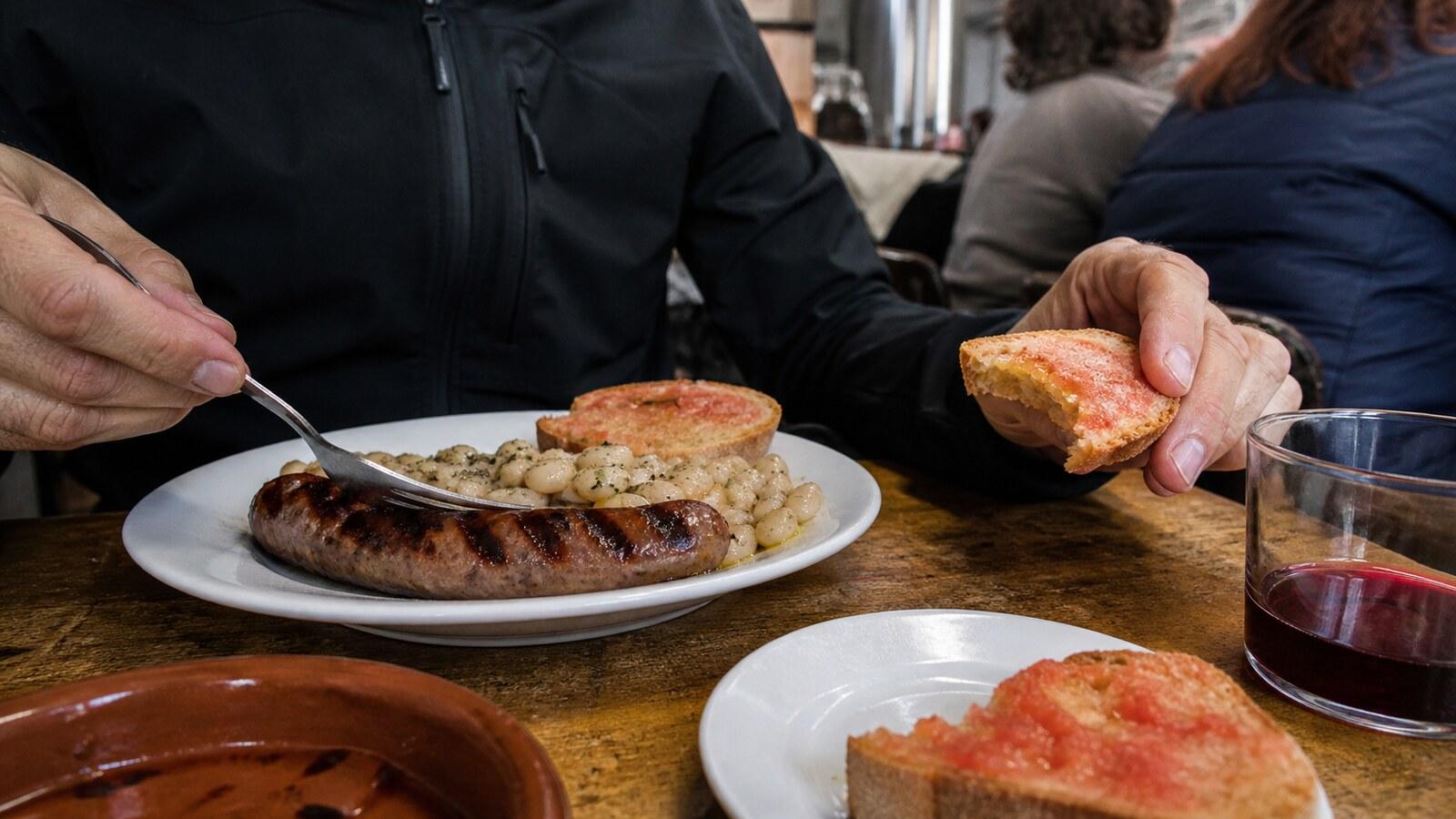
An esmorzar de forquilla is breakfast eaten with a fork: a cooked mid-morning plate shaped by work rhythms and the food a bar has prepared that day. It is not an oversized hotel breakfast or a challenge to finish the heaviest dish on the menu.
Arrive around 09:00–10:30, before the kitchen begins turning toward lunch. Greet the staff and ask què hi ha per esmorzar de forquilla?—what is there for fork breakfast? The answer may be spoken rather than printed and may include stews, grilled meat, offal, beans, squid or another substantial dish.
Order one plate before building a feast
Ask what is ready and choose one main dish. Add bread, tomato or a side only after understanding the portion. Water, coffee, wine or beer may accompany the meal according to place and diner; alcohol is not compulsory, and the driver’s choice is simple.
Allow 60–90 minutes and roughly €12–25 per person. Prices vary with the dish, and a famous destination can cost more. Carry some cash for a rural bar, though cards are increasingly common.
The official Catalonia gastronomy portal is a broad discovery source, not a live list of fork-breakfast kitchens. Confirm the individual bar’s opening and whether it still cooks the meal on your chosen day. Dishes can sell out; arriving late does not oblige the kitchen to recreate them.
Compare guided Catalan food experiences only if the listing names the bar, time, dishes, drinks and group size. A generic tapas tour is not an esmorzar de forquilla.
Read the room
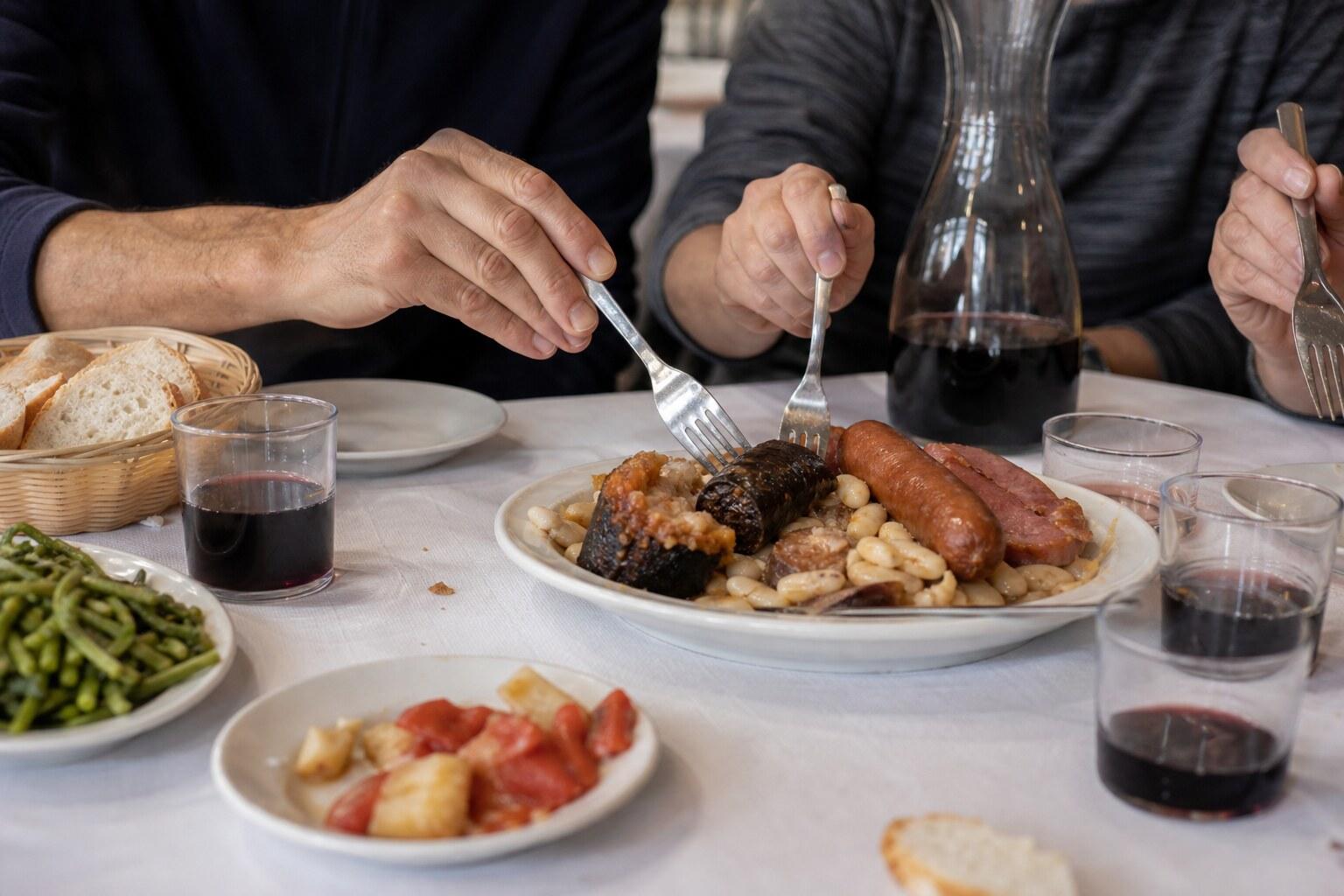
Regulars may be eating before or after work. Do not occupy a shared table with bags or stage close photographs of other diners. Ask before filming the kitchen or counter. If the bar is full, follow its queue and seating system rather than expecting tourist-style hosting.
Older premises can have narrow entrances and toilets, so call when step-free access matters. Large groups should reserve; one or two people can often arrive early, but “walk-in” still depends on capacity.
If the cooked food has finished, accept a sandwich and coffee or choose another morning. Thank the staff as you would after any neighbourhood meal. The tradition is the relationship between hour, appetite, kitchen and regular life—not a plate that must be performed on demand.
Reconfirm the venue, serving window, access and price before making a special journey. For an early departure, ask whether the kitchen serves the full breakfast menu or only coffee and pastries at opening. Portions are substantial, so order one dish at a time if you are sharing; the plate is meant to carry you through the morning, not to become a tasting menu.
Related guides
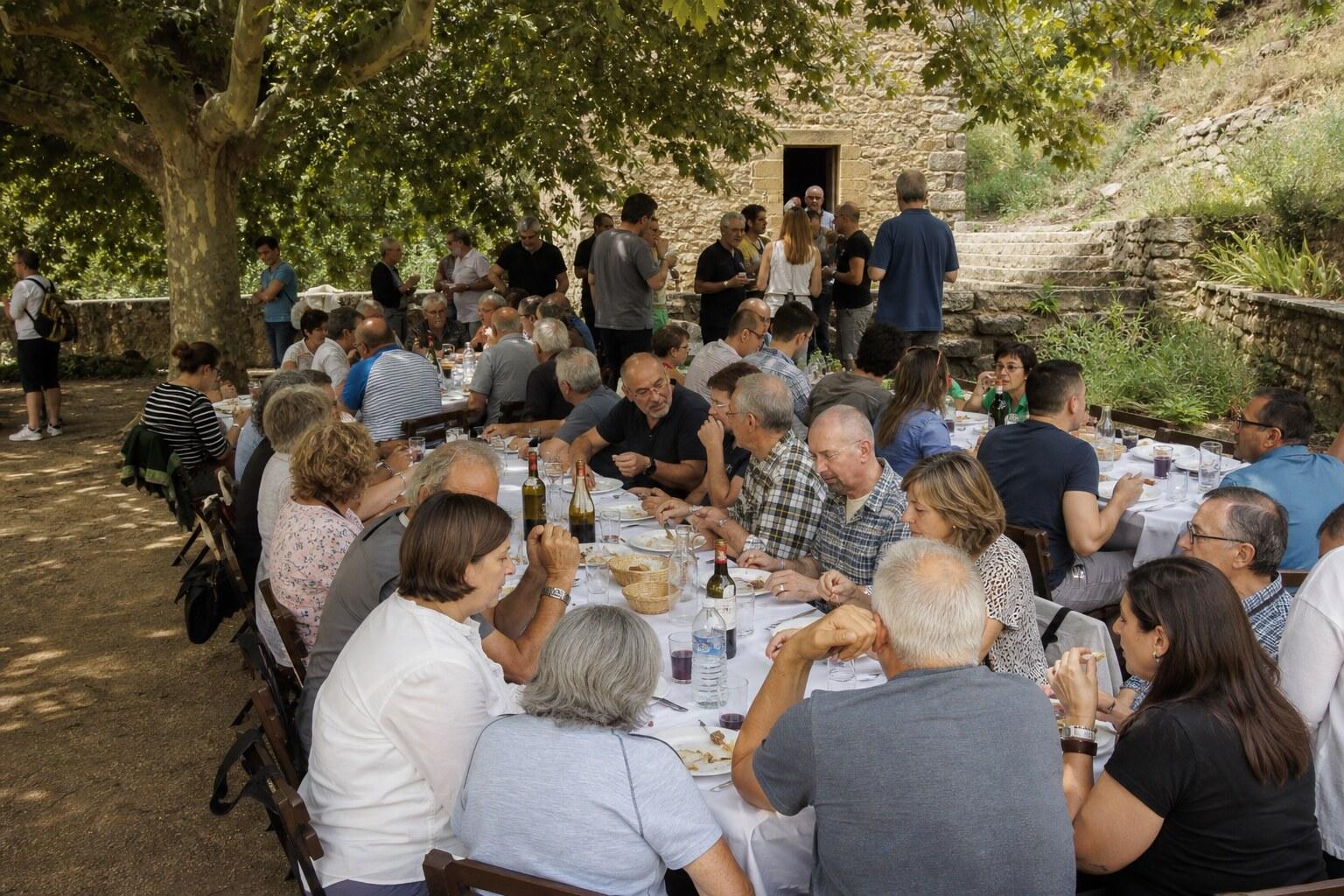
- Your First Catalan Aplec: How to Join Respectfully
Read an aplec programme, reach its rural setting and understand when a meal, dance or religious act is public, reserved or participatory.
- Sant Esteve in Catalonia: The 26 December Table
Why 26 December matters in Catalonia, what cannelloni signify, how restaurant service changes, and how visitors can join respectfully.
- Catalan for Visitors: Ten Phrases and the Grace to Switch
Open an everyday exchange in Catalan, ask for what you need and follow the other person's language without turning the attempt into a performance.
Are you in the know?
Receive new articles, local updates, and occasional offers from selected partners. We never share your email address. Unsubscribe at any time.
By subscribing you agree to our privacy policy.