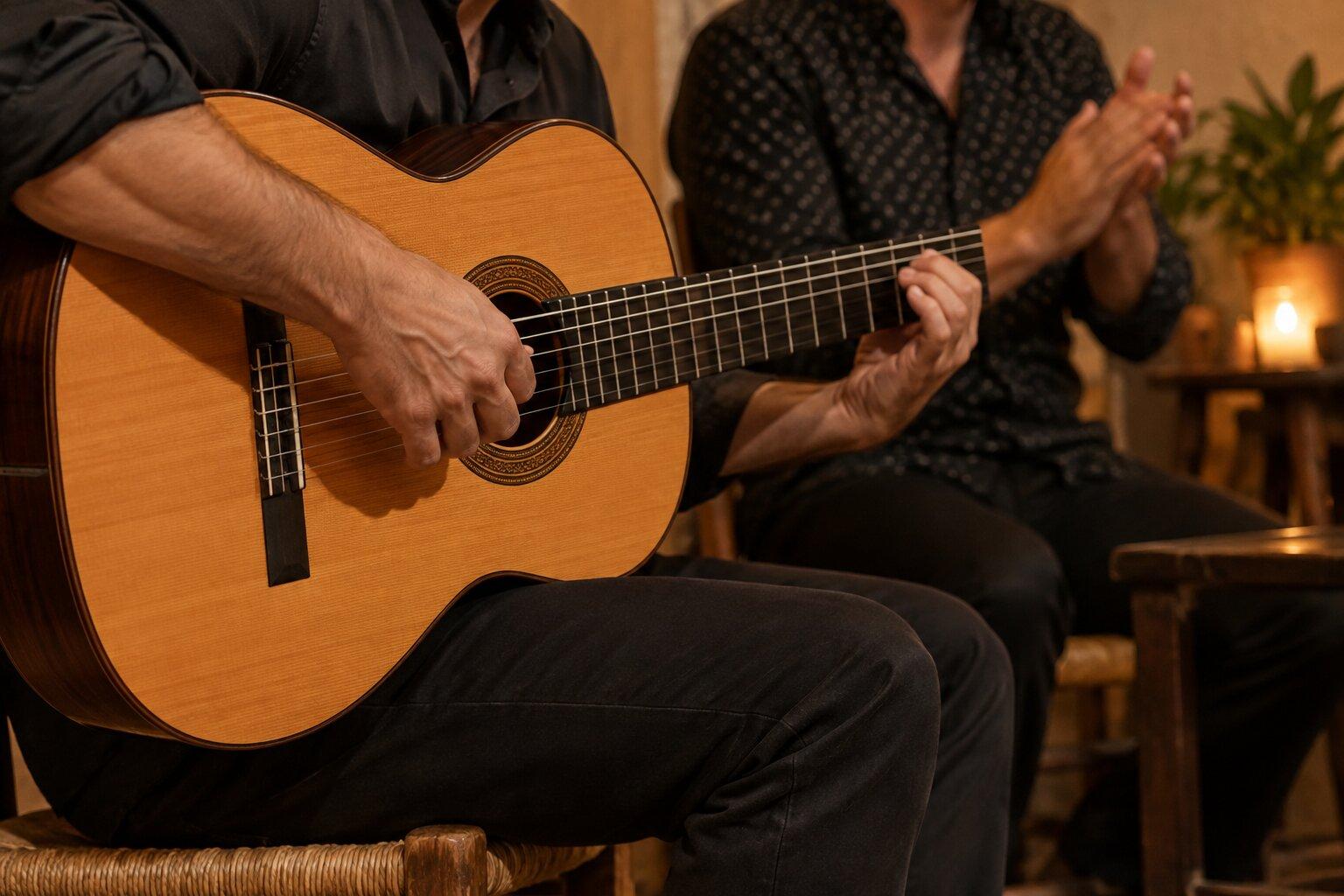
Culture·
Rumba Catalana: Barcelona Roots and Where to Hear It
Discover Barcelona’s rumba catalana roots through neighbourhood context, confirmed live programmes, respectful listening and evening logistics.
Culture
Inside CataloniaTips, ideas, and inspiration from Inside Catalonia.
Discover Barcelona’s rumba catalana roots through neighbourhood context, confirmed live programmes, respectful listening and evening logistics.
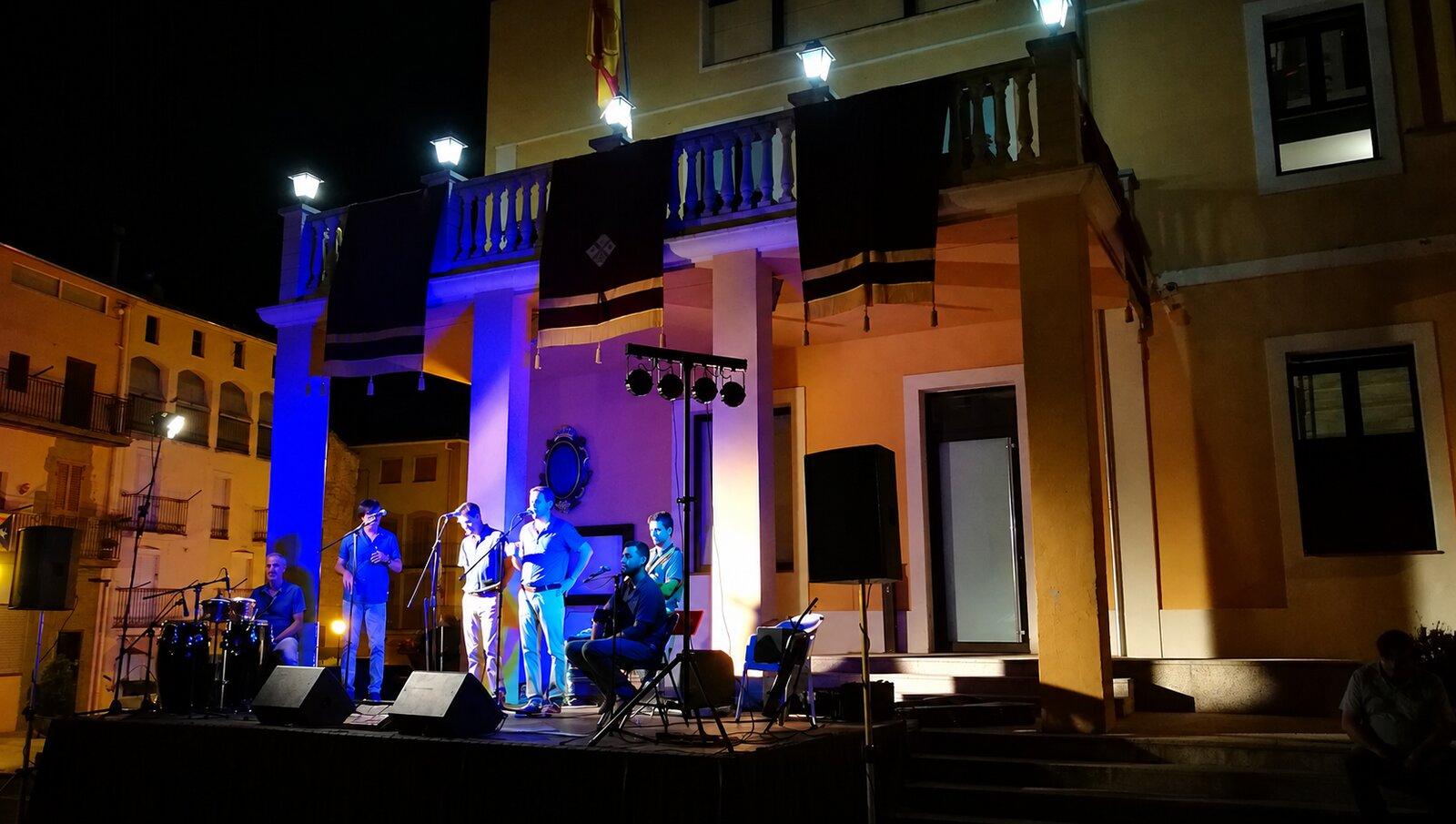
Understand havaneres and the cantada tradition, with advice on finding performances, seating, cremat, audience etiquette and late returns.
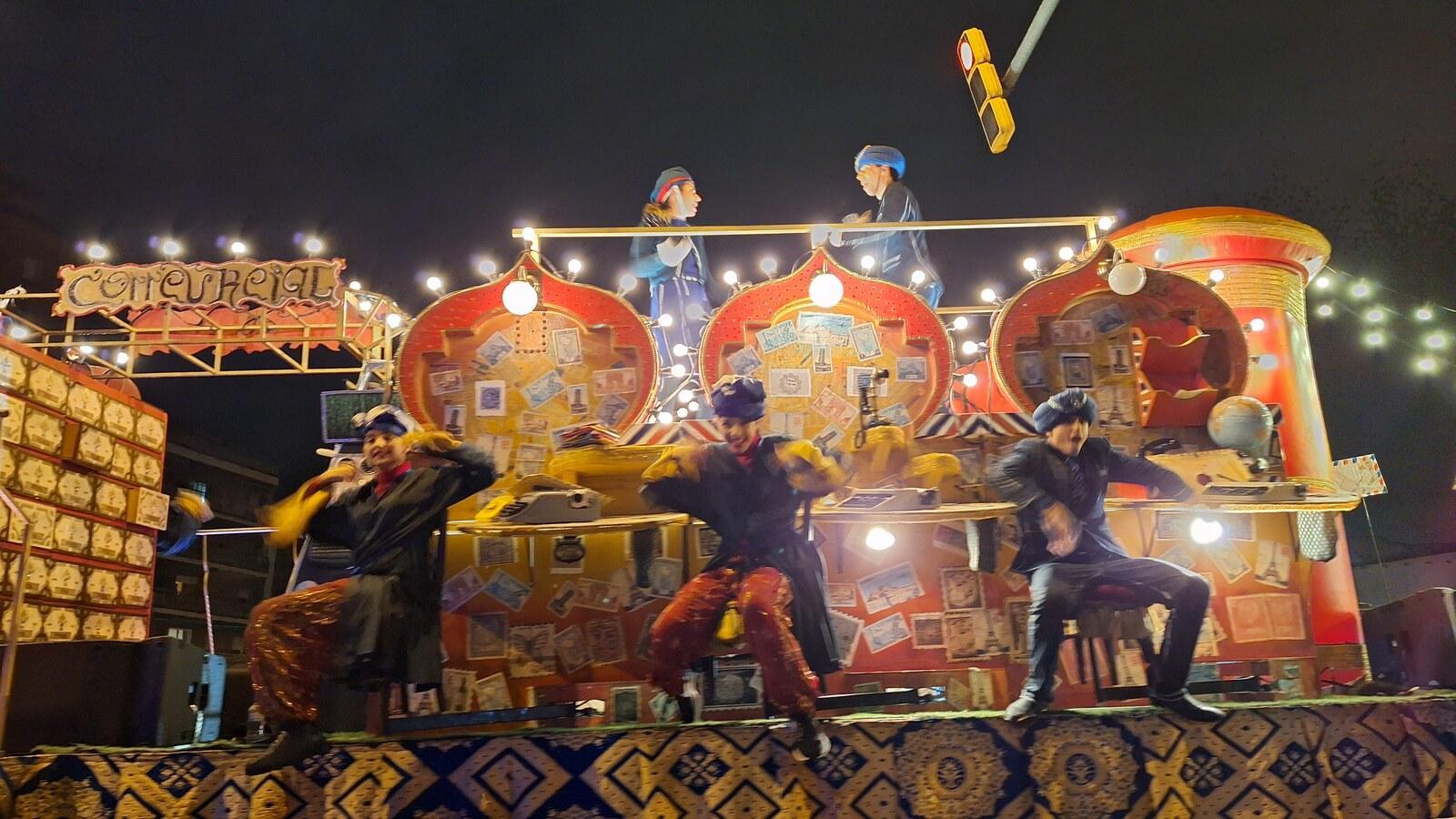
Watch a Catalan Three Kings cavalcade with context, understand the pages and letters, and keep the public parade separate from private family gifts.
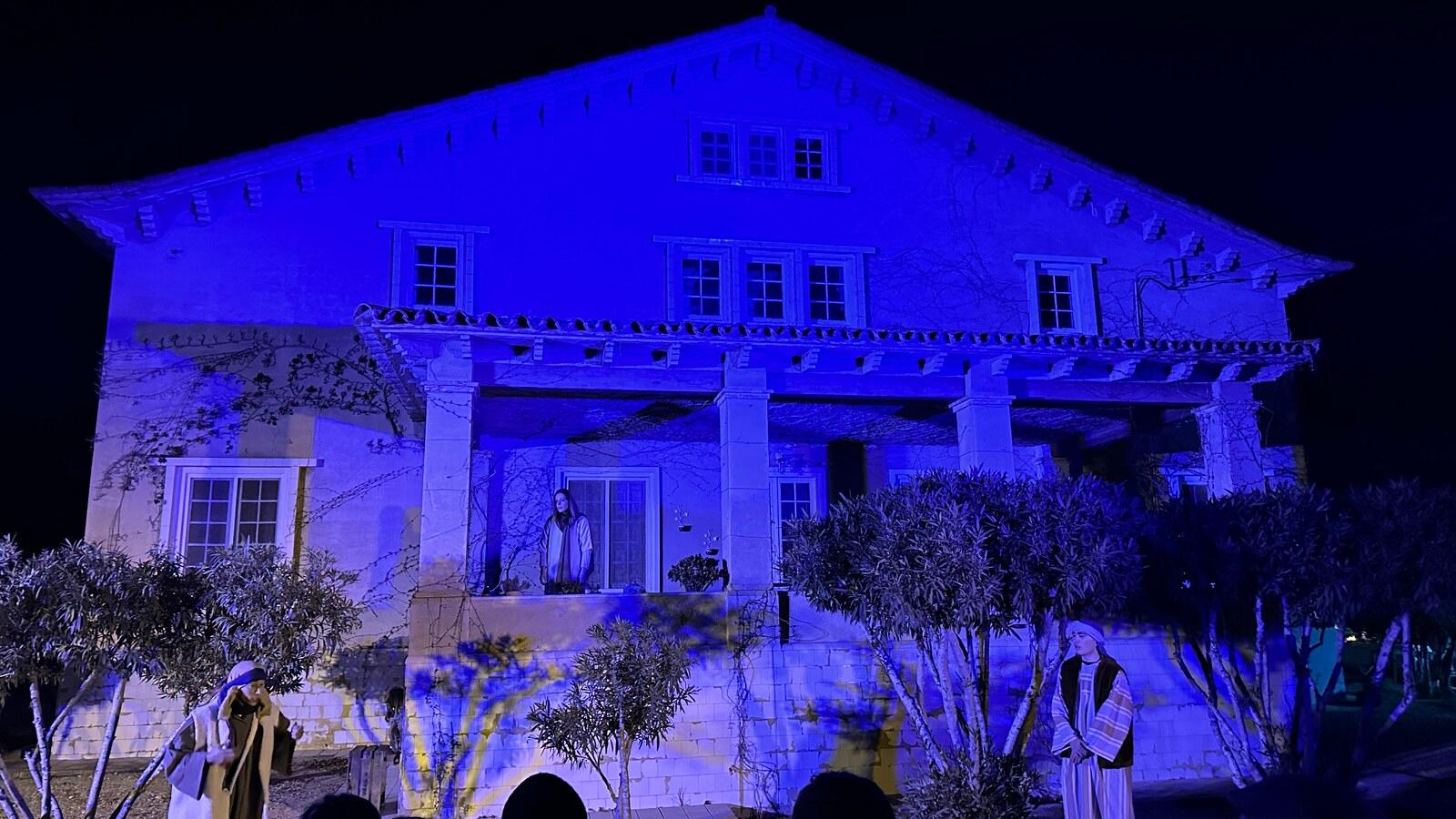
Choose a Catalan living nativity by format and terrain, then handle tickets, winter conditions, religious context and photography respectfully.
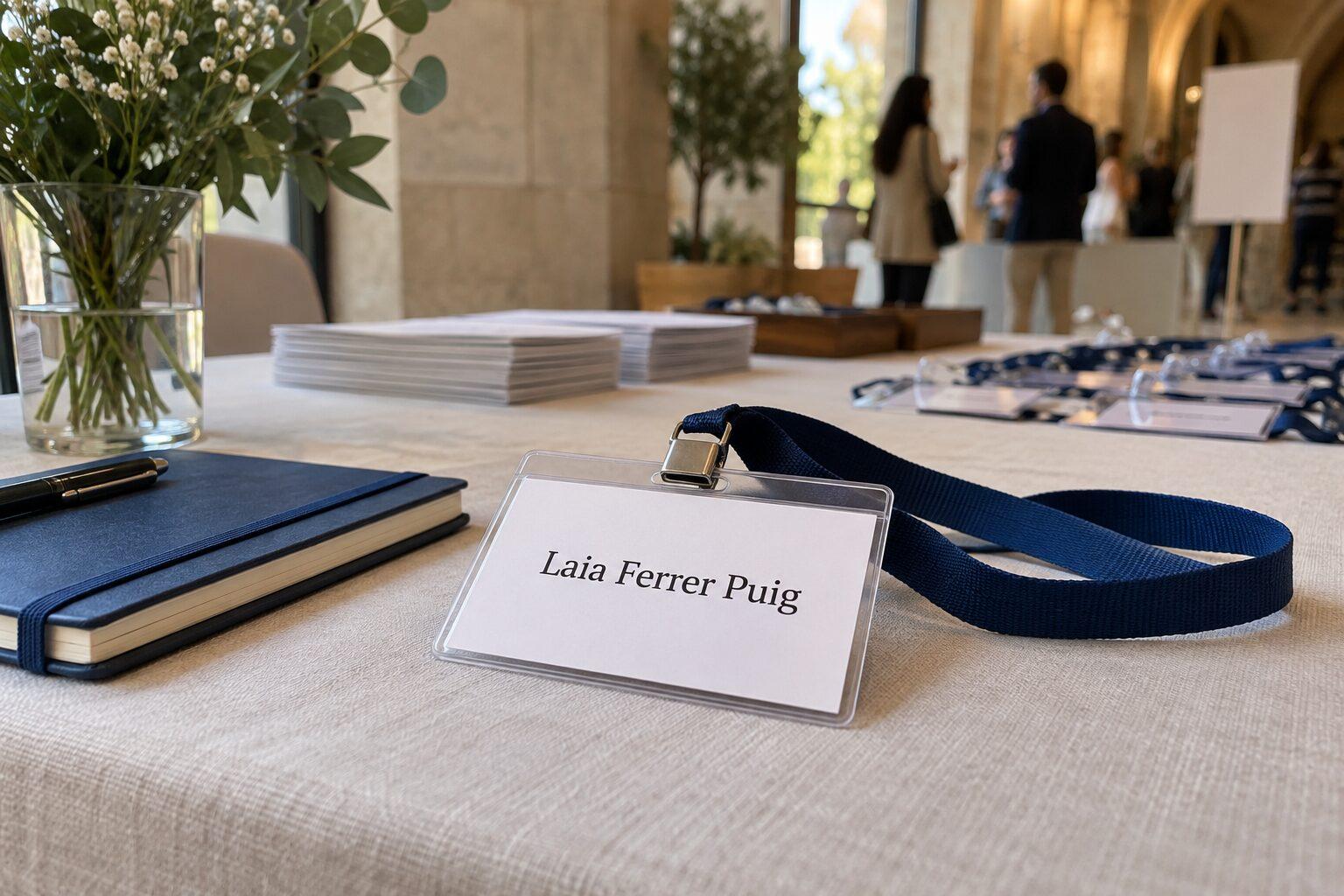
Read common Catalan name patterns without guessing, preserve accents and surname order, choose an appropriate form of address and repair mistakes politely.
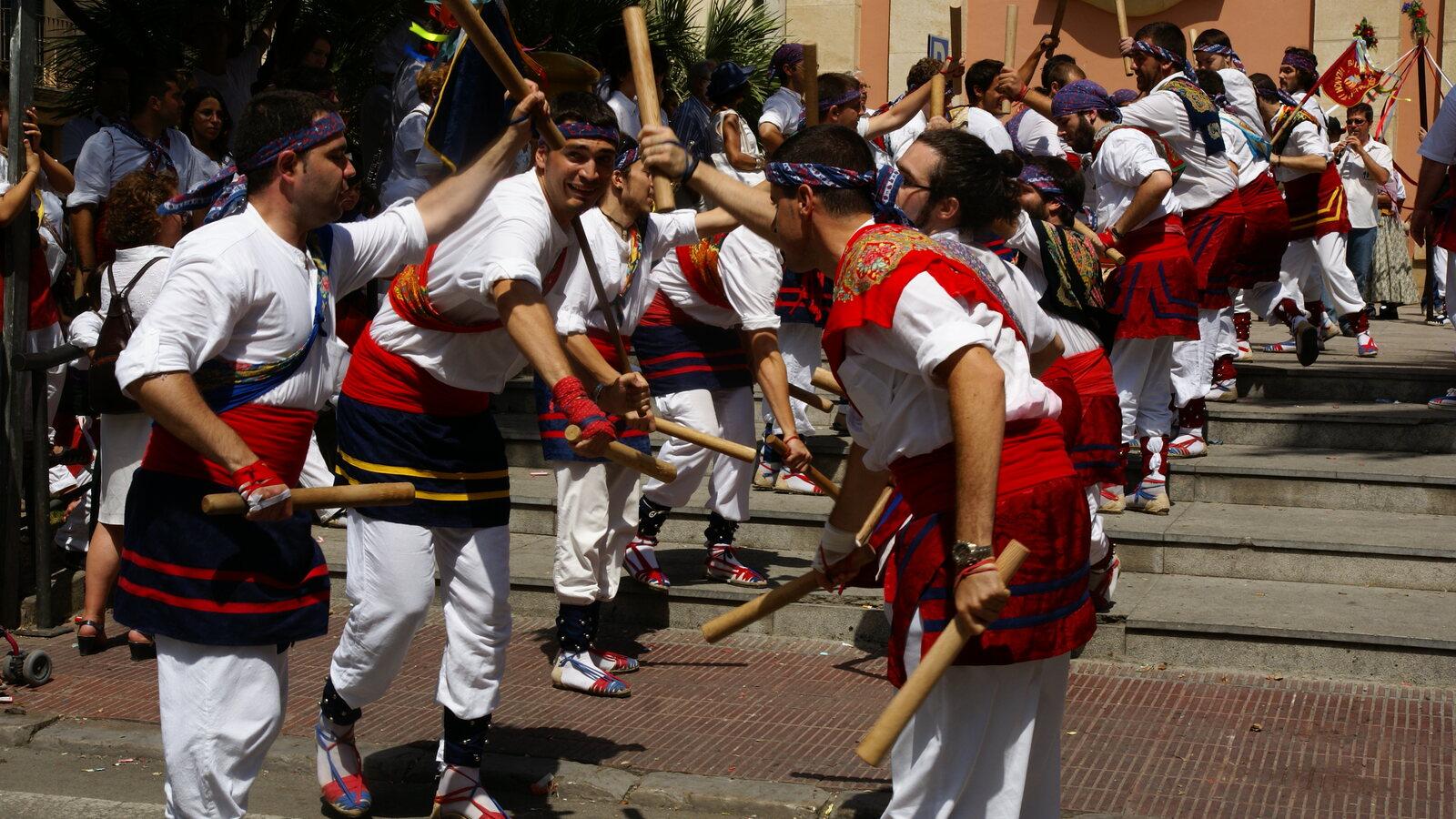
Find a public ball de bastons performance, follow its music and formations, respect the working space and know when joining is genuinely invited.
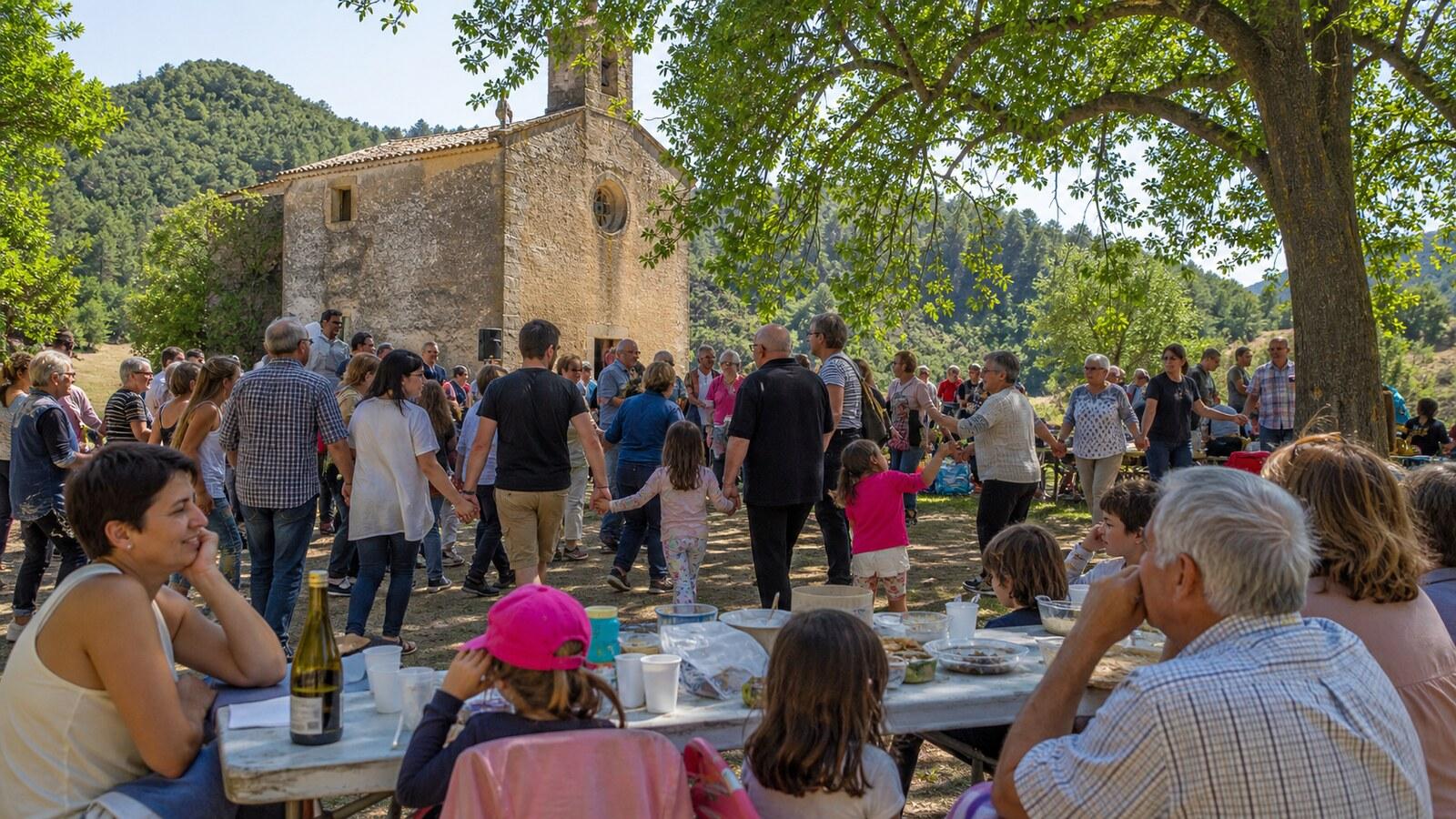
Read an aplec programme, reach its rural setting and understand when a meal, dance or religious act is public, reserved or participatory.
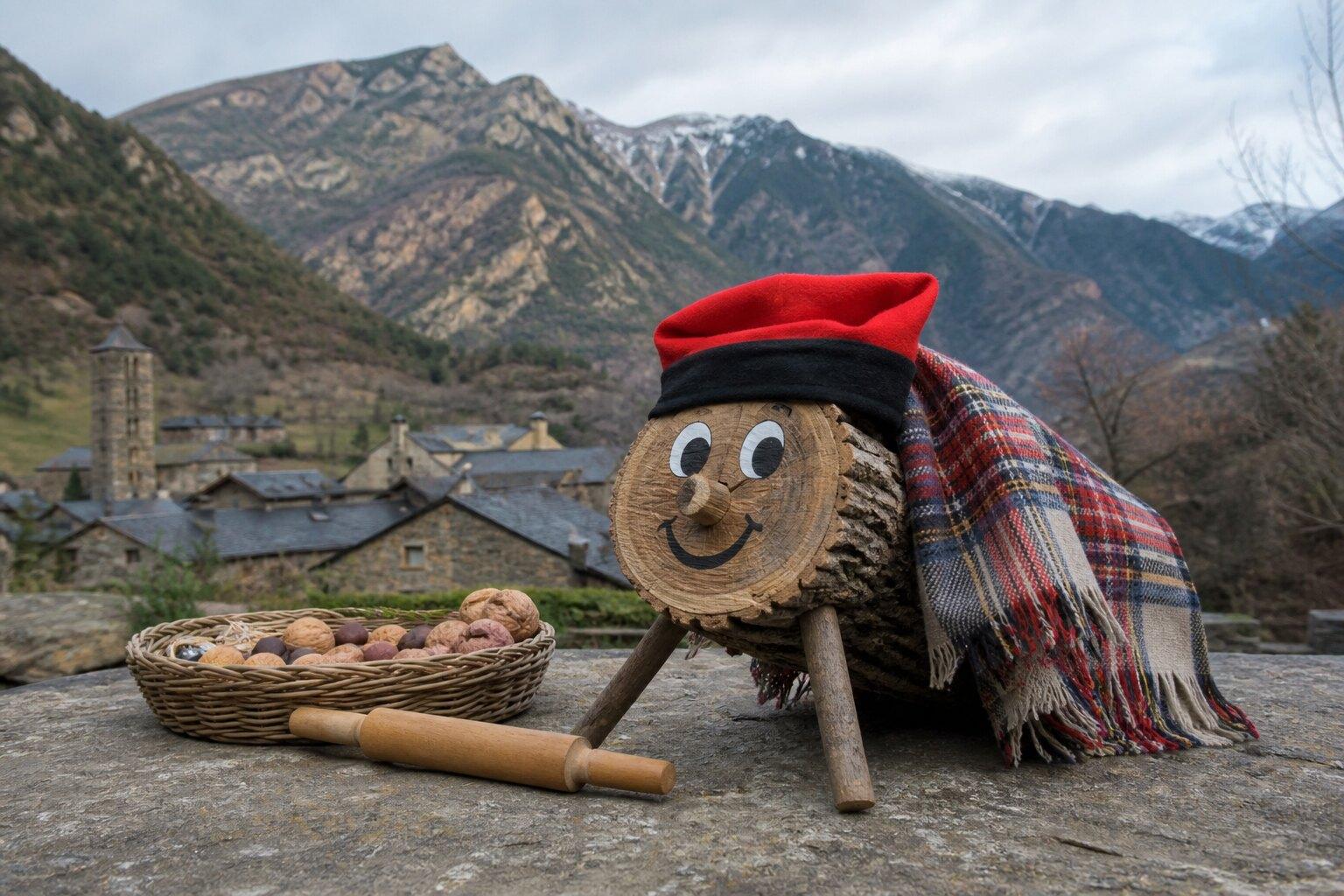
Understand the Tió de Nadal as a family Christmas tradition, then join a public event or invitation without turning it into a caricature.
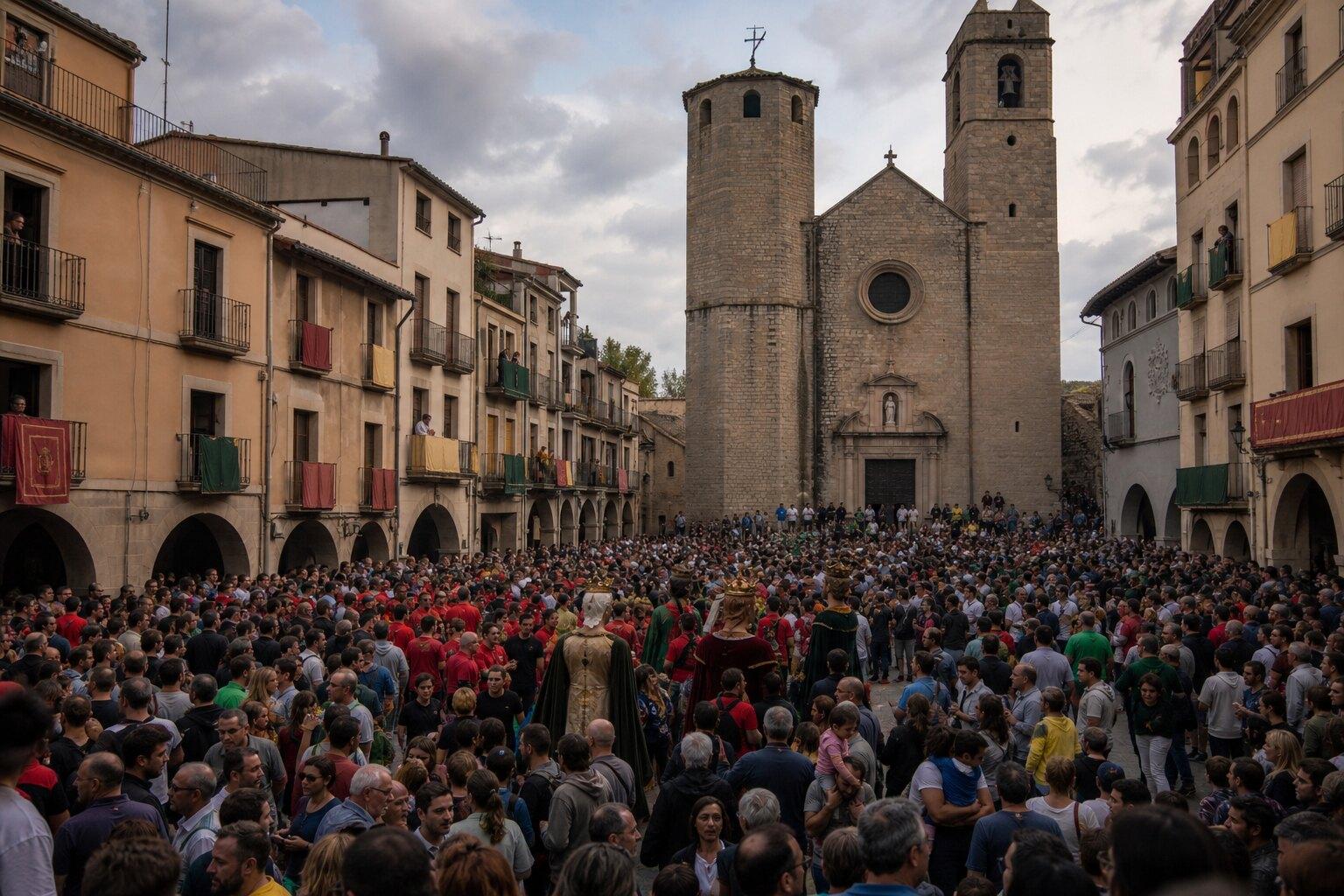
Choose the right Patum session, understand Plaça de Sant Pere’s crowd and fire, and secure a walkable bed or confirmed return.
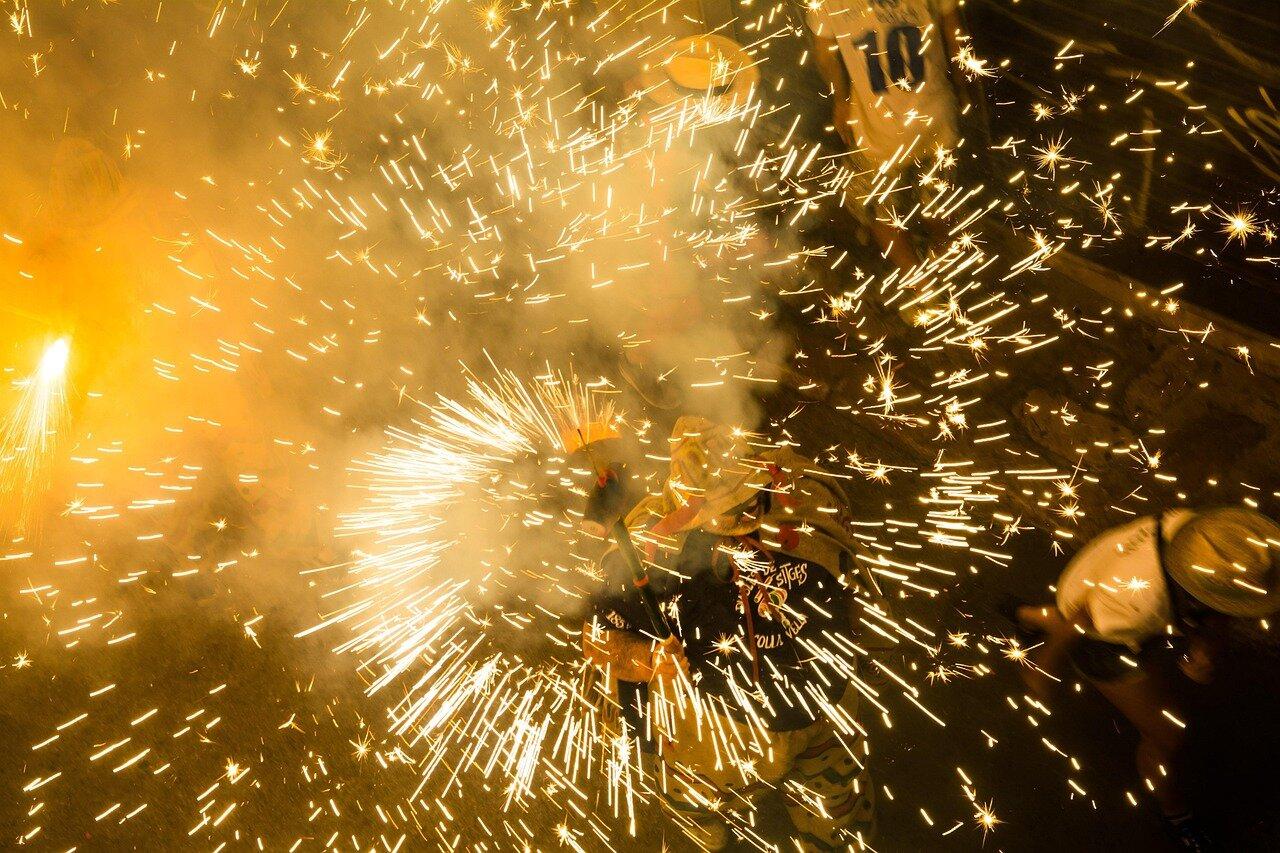
Read a festa major programme, choose events, handle fire and crowds, and take part without treating a neighbourhood tradition as a show.
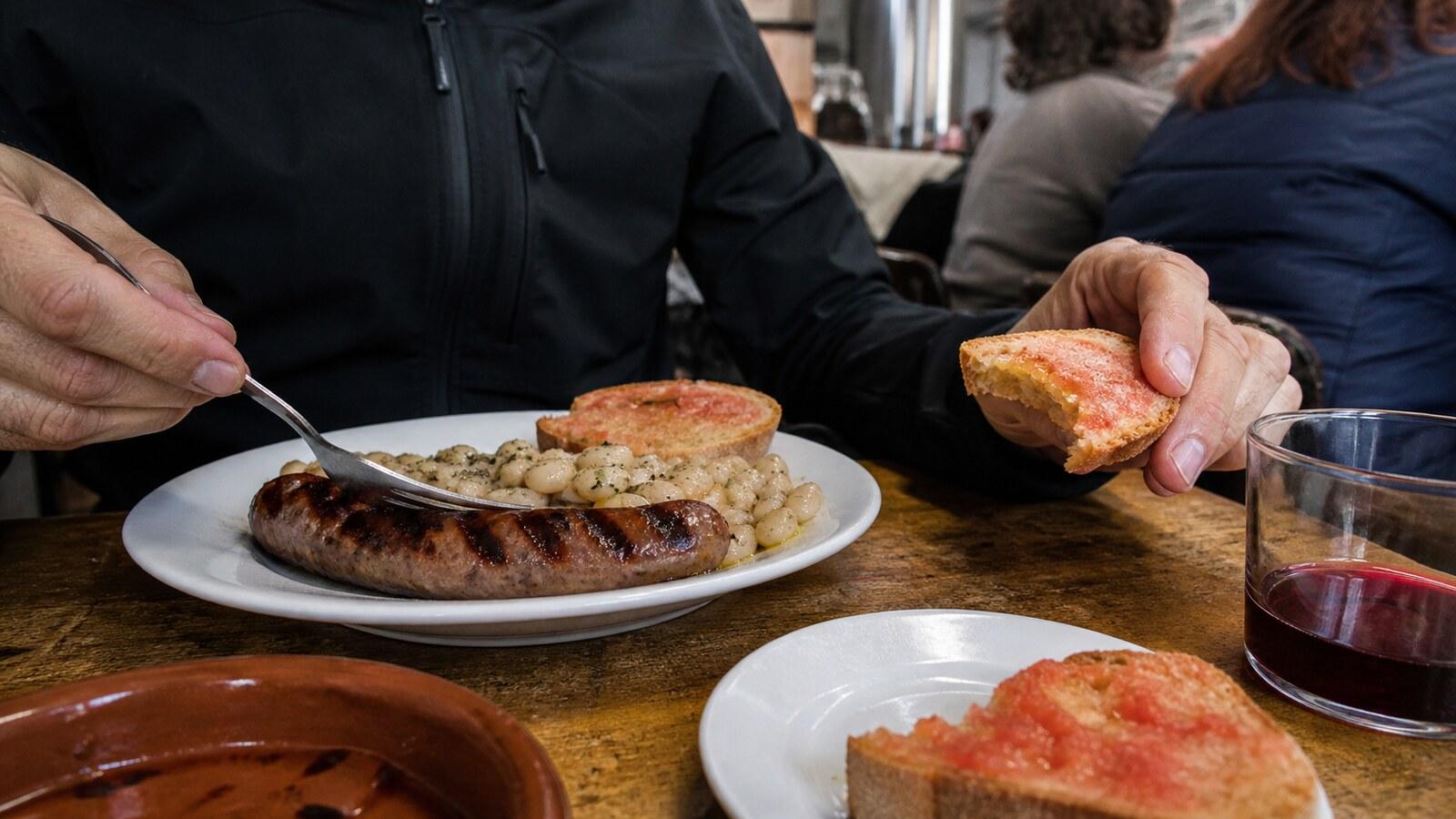
Join a Catalan fork breakfast at the hour and pace of the bar, ordering a cooked plate without turning a working tradition into a food challenge.
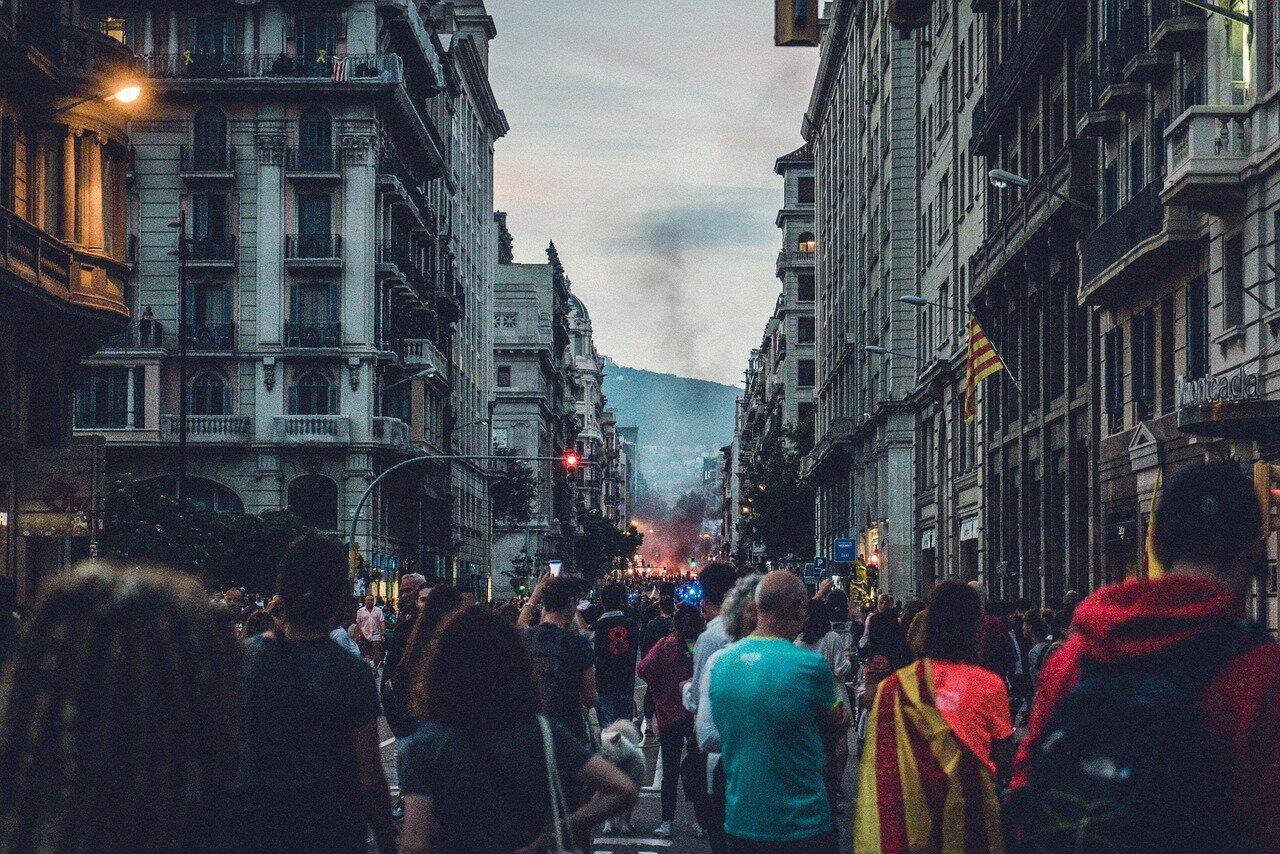
Understand the giants, big-headed figures, music and street etiquette that shape a Catalan cercavila, then find a confirmed event.
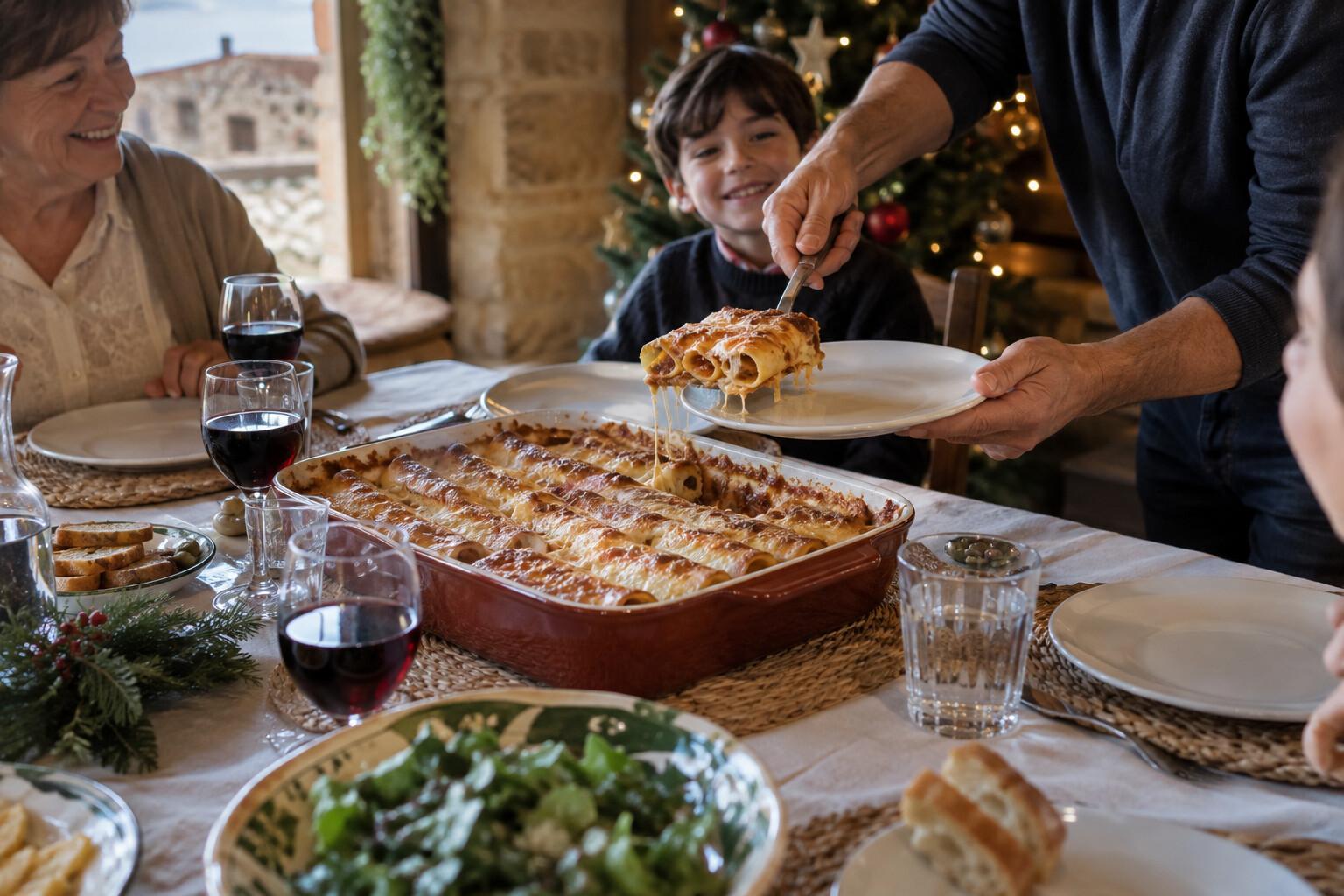
Why 26 December matters in Catalonia, what cannelloni signify, how restaurant service changes, and how visitors can join respectfully.
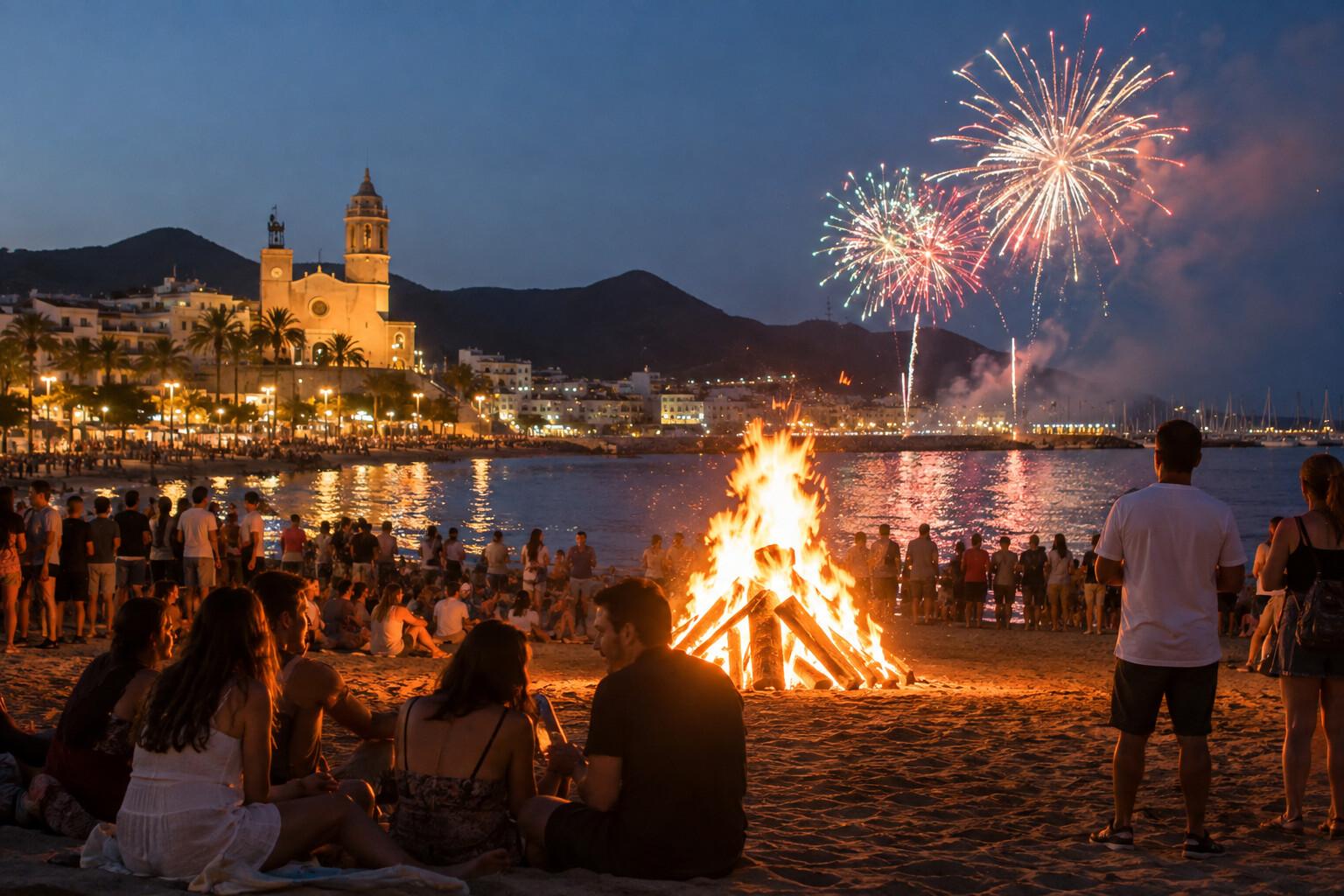
Understand Catalonia's 23 June midsummer night, where public events end and private celebrations begin, and how to handle fireworks safely.

Open an everyday exchange in Catalan, ask for what you need and follow the other person's language without turning the attempt into a performance.

Understand where to stand, what to wear and how to watch a Catalan fire run without mistaking spectacle for permission to join.
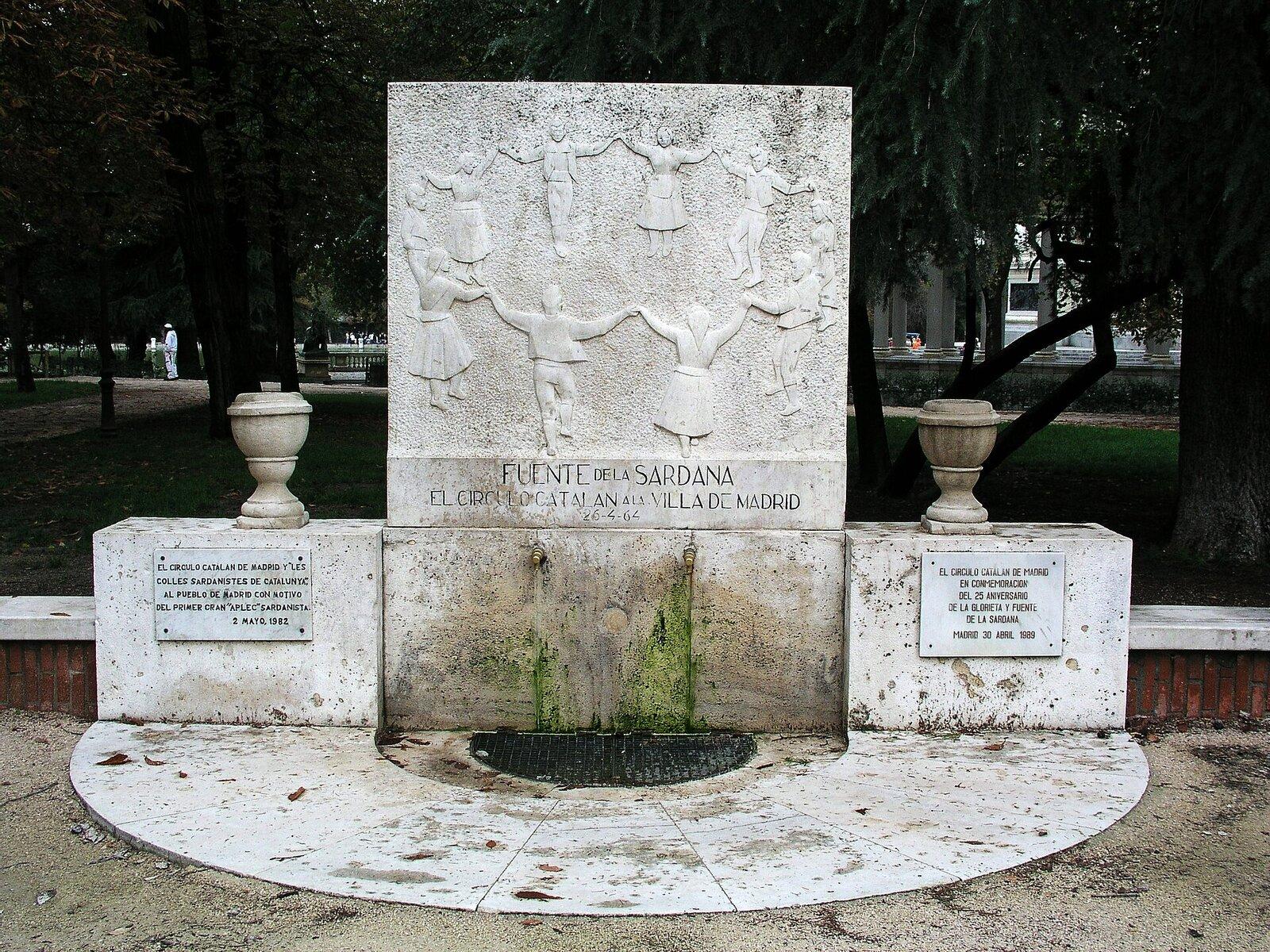
Understand what dancers and musicians are doing in a sardana, where to find a public ballada, and when a visitor may join the circle.
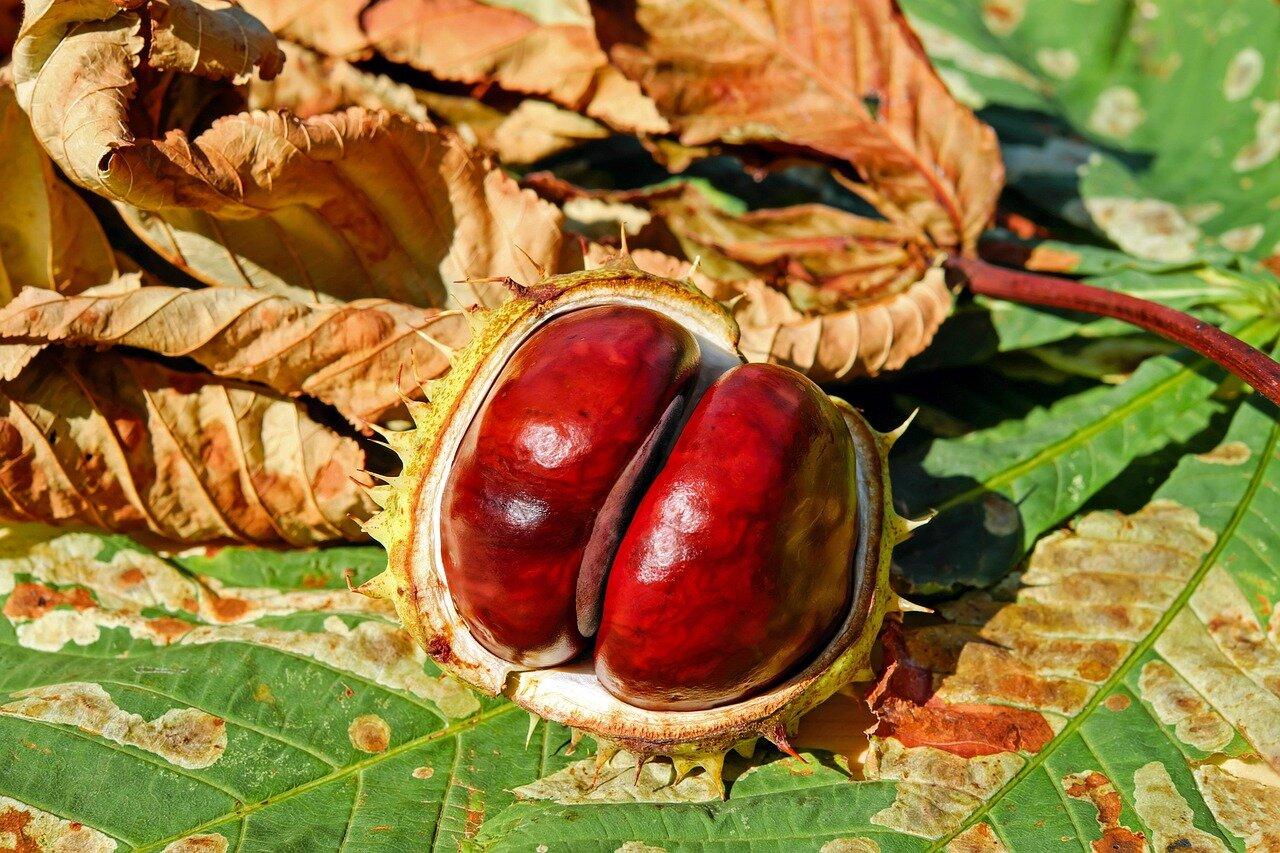
Understand the chestnuts, sweet potatoes and panellets around All Saints, then find a public event without intruding on a family observance.
Plan 23 April as a civic festival of books, roses and language, with room for crowds, weather and events that are not announced months ahead.
Understand how a castell rises, what the gralla communicates and how to watch a public diada without obstructing the people building it.
Receive new articles, local updates, and occasional offers from selected partners. We never share your email address. Unsubscribe at any time.
By subscribing you agree to our privacy policy.