Culture
Three Kings in Catalonia: Parade, Gifts and Visitor Etiquette
Watch a Catalan Three Kings cavalcade with context, understand the pages and letters, and keep the public parade separate from private family gifts.
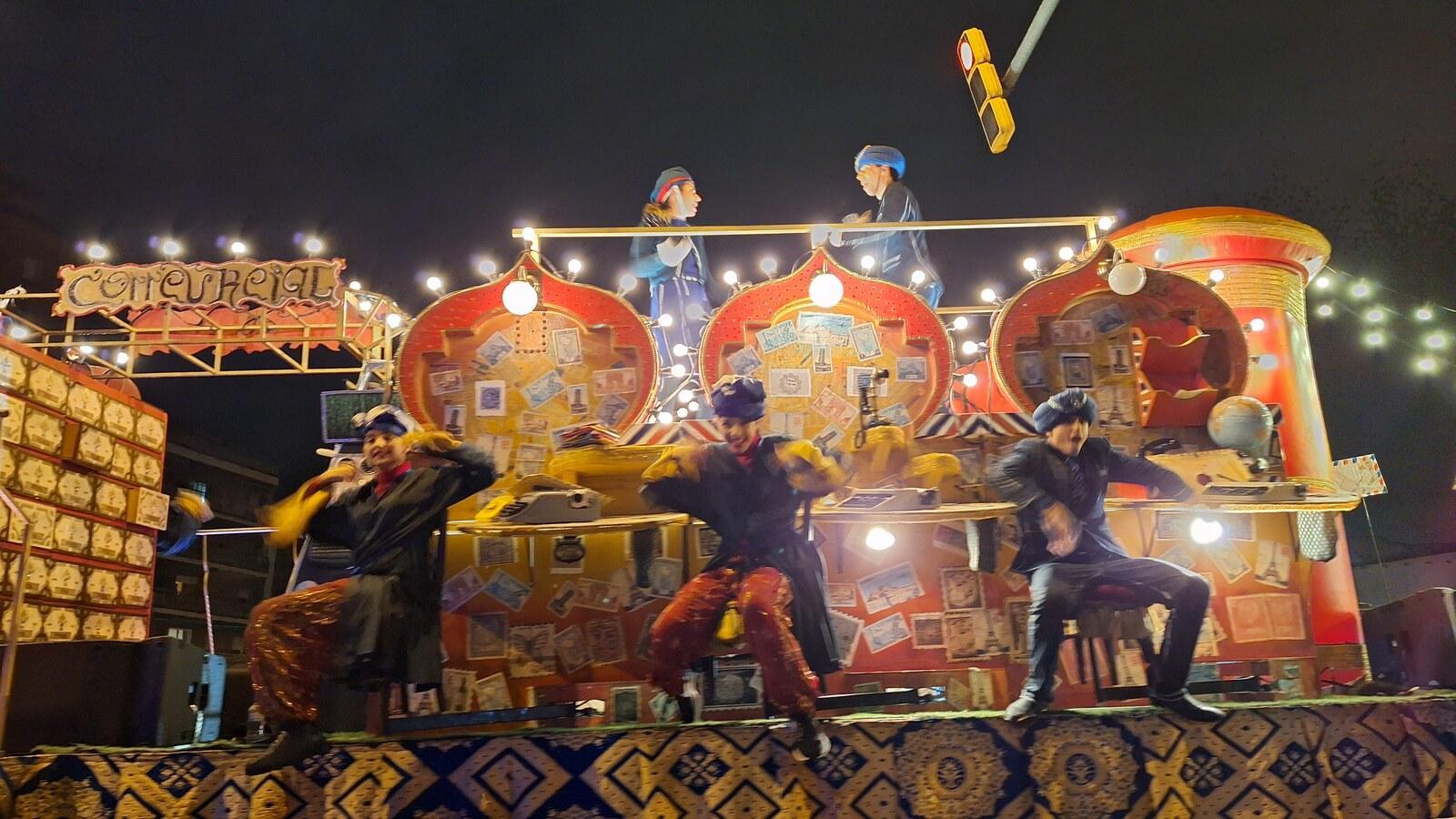
The evening of 5 January is public; the gifts waiting inside a home are not. That distinction is the most useful way for a visitor to understand Three Kings in Catalonia. Join a municipality’s cavalcada, learn why children carry letters and greet the royal pages, and enjoy the procession from the street. Treat the later exchange of presents and the 6 January family table as private unless someone invites you.
This is not a lesser Christmas staged for tourists after 25 December. For many families, Nit de Reis is the emotional end of the festive season and the principal moment when children receive presents. The public parade builds anticipation around that household ritual; it does not make the household part public.
Plan one cavalcade, not a tour of several
Choose the municipality where you are staying and wait for its current programme. Times, routes, arrival ceremonies, traffic closures, accessible areas and bad-weather plans are published locally and can change every year. A sensible first visit looks like this:
| When | What to do | What to verify |
|---|---|---|
| Before 5 January | Choose one town; find the council or organiser page | Route, arrival point, low-stimulus sections, reserved viewing and any booked royal camp |
| Late afternoon | Eat early, dress for standing outdoors and reach one broad route section | Road closures, public-transport changes and an exit away from the densest crowd |
| Parade time | Stay behind barriers, let families keep their places and follow steward instructions | Whether sweets are thrown, handed out or not distributed at all |
| 6 January | Keep plans light; join a meal or gift exchange only if invited | Host timing, what to bring and whether shops or attractions you need are open |
The cavalcade itself is normally free. A campament reial or letter-delivery activity in the preceding days may use timed entry or a reservation, so do not promise a child access until you have the local confirmation. Budget for transport, a warm drink and perhaps a tortell; there is no need to buy a viewing package for an ordinary street route.
Barcelona’s archived 2026 city programme illustrates why the year matters: it gave a specific afternoon arrival, an 18:00 departure, a route ending after 21:00 and reserved areas for people with a disability credential. Those are useful examples, not a future timetable. Recheck the live city page for the year you attend.
The names explain the procession
The Three Kings are the Reis d’Orient: Melcior, Gaspar and Baltasar. Their attendants are patges reials, royal pages who collect children’s cartes, prepare the arrival and appear throughout the procession. In some towns a particular page has a local identity; the Generalitat’s overview of the tradition names Patge Faruk in Igualada and Mag Maginet in Cornellà de Llobregat.
A cavalcade is the moving public reception on 5 January. The kings may arrive by boat, train, ski, horse, vehicle or on foot before taking their places in the procession. Floats, dancers, music, pages and municipal groups are not decorative delays before the three most famous figures. Together they construct the idea that letters have been received and the gifts are being brought into town.
Children may call to the kings, hold up lanterns, offer letters or wait for sweets. Visitors may watch, wave and respond to the energy without inserting themselves into the exchange. Do not stand in front of a child for a close photograph, ask a page to repeat a gesture for your camera or step into the route because a float has paused.
Arrive early enough to see without defending a space
For a large urban route, reach the chosen section 60–90 minutes before the published passage. In a smaller town, 30–45 minutes may be sufficient. Pick a wide pavement with a visible exit rather than the ceremonial arrival point, where families can wait for hours and crowd movement is least flexible.
Keep doorways, dropped kerbs, accessible platforms and emergency lanes clear. A small folding stool or front-row position held for a child has a different function from an adult visitor building a camera station. If you are tall, move behind children once the procession approaches. Hold a phone close to your body rather than above other people’s heads for minutes at a time.
Photograph the procession and the scale of the street. Avoid close, identifiable images of children who are not with you, especially during letter delivery or an emotional encounter. A parent’s presence in a public crowd is not consent for a child to become the subject of a travel post.
Sweets are not guaranteed. Where they are distributed, let them come to your section and watch the ground before stepping. Do not push through children, reach beneath a moving vehicle or enter the route to collect more.
Every town’s arrival has its own grammar
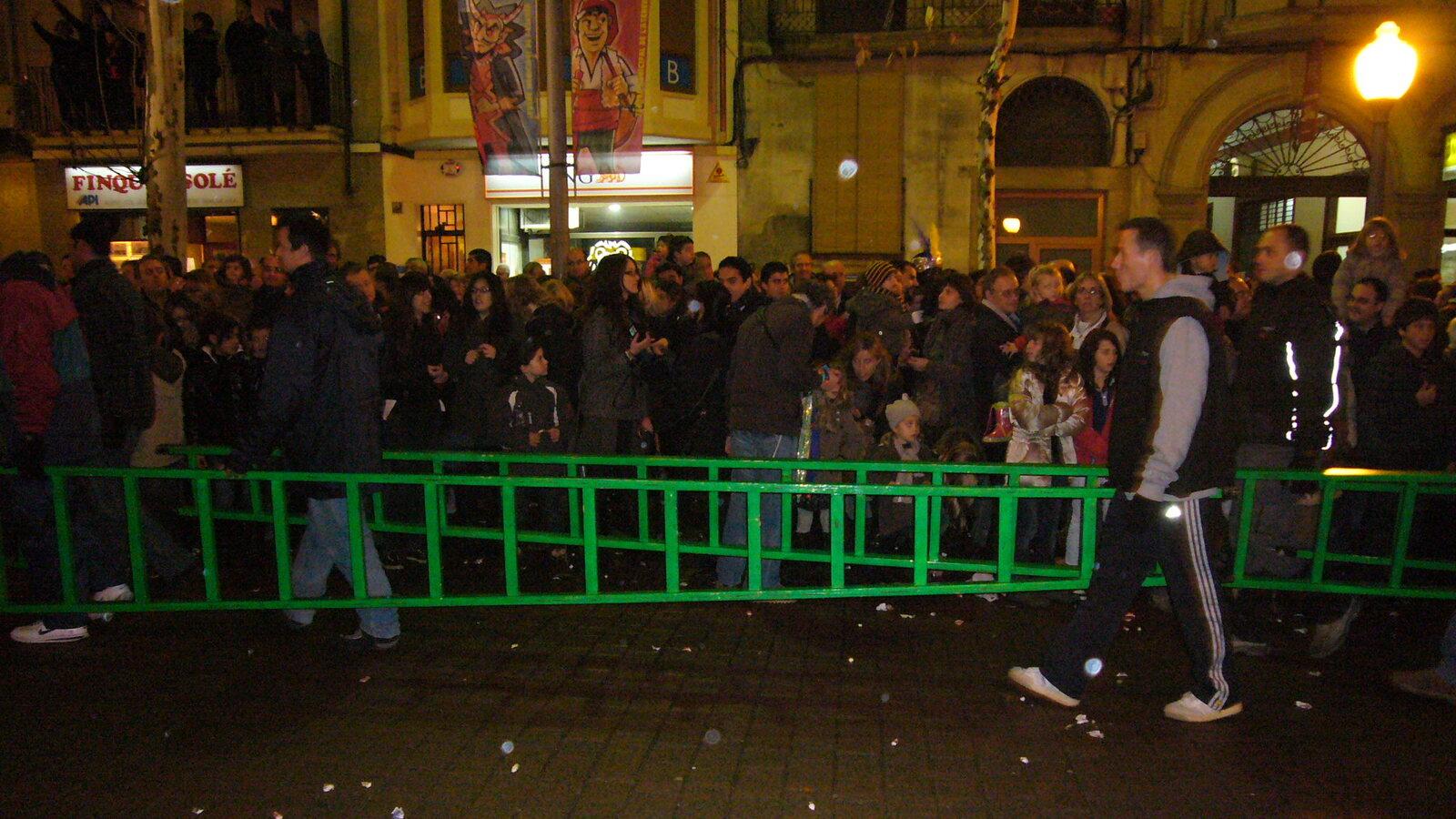
There is no single authoritative Catalan cavalcade copied from Barcelona. The Generalitat’s guide to distinctive arrivals describes long ladders used by pages delivering presents to balconies in Igualada, lavender torches guiding the kings in Taradell, a maritime arrival with boat sirens in Tarragona and a ski-and-rack-railway sequence around Núria and Queralbs.
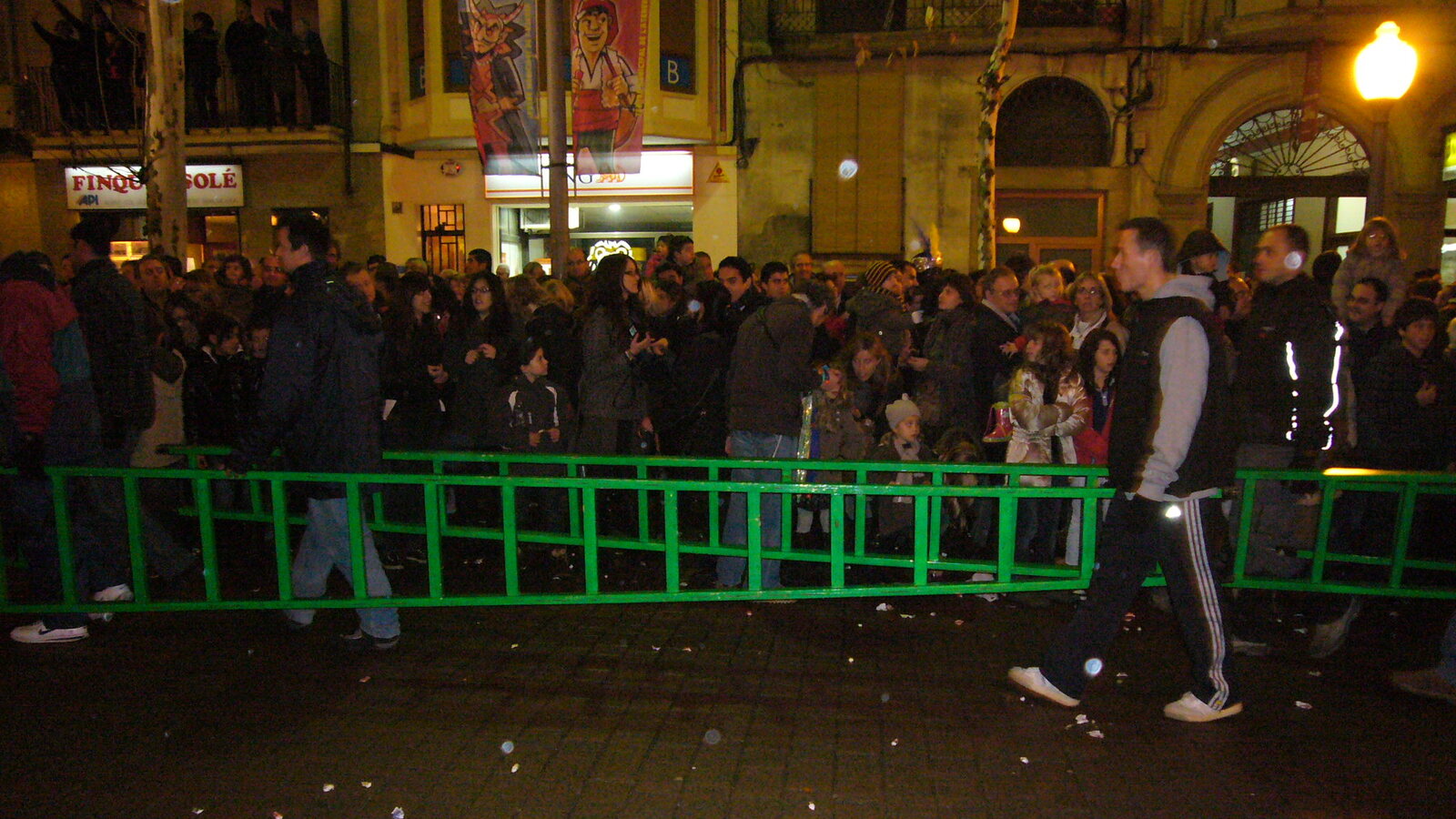
Those customs are reasons to understand a place, not items to collect in one evening. The Igualada ladders make sense within a city-wide gift-delivery organisation; they are not a stunt to recreate on another balcony. Taradell’s torches belong to a local practice with its own participants and safety controls. Tarragona’s arrival by water changes the opening geography but does not make the rest of the night a harbour attraction.
Elsewhere, children make noise with tins so the kings do not pass by, sing for gifts or carry fanalets, lanterns. The current programme tells you which actions belong to the public and which are organised for local children. Watch first. Do not bring a flame, noise-maker, costume or homemade prop because a custom appeared in a video from another town.
Accessibility information should decide where you stand
Ask the municipality for the exact accessible-viewing arrangements rather than assuming every section of a level-looking street works. The Generalitat records reserved spaces for people with reduced mobility, lower-stimulus stretches with moderated sound, light and crowding, and—in some municipalities—training for pages on neurological diversity. Availability varies by place and year.
A low-stimulus section is not a convenient shortcut for anyone who simply dislikes crowds. Leave it to the people it is designed to include. Likewise, an accessible platform is not a raised photography deck. If the published accommodation requires a credential or advance registration, resolve that before arrival.
For a person who finds sustained noise, flashing light or dense standing difficult, a public royal camp earlier in the week may be more manageable, though it may still be busy and require a ticket. A municipal broadcast or livestream is also a valid way to follow the civic event. Participation is not measured by endurance.
Costume does not suspend ordinary respect
The kings and pages are characters within a living public tradition, but representation still carries consequences. The Generalitat’s antiracism guidance for cavalcades identifies blackface and orientalist caricature as discriminatory practices with colonial and racist roots and calls for celebrations free of them.
For a visitor, the rule is uncomplicated: do not imitate a king or page through skin-darkening, racial caricature or improvised “exotic” costume. Do not defend a harmful portrayal as authentic because it appeared in an older photograph. Traditions change through the choices of the communities carrying them; respect includes recognising that work.
Presents at home are not a second public event
After the cavalcade, families may leave water or food for the kings and their animals, put children to bed and arrange presents. Barcelona's official international welcome guide places the evening procession, the delivery of gifts to homes and the next day's family tortell in the same sequence. The exact timing still differs by household: some gifts appear during the evening, others overnight or on the morning of 6 January. None of this creates an open-house custom.
If a Catalan friend describes the family plan, receive it as conversation rather than an indirect invitation. If they explicitly ask you to join, follow their stated arrival time and ask whether to bring anything. A bottle, flowers or something for the shared table may be more appropriate than adding a conspicuous present for one child. Do not introduce a competing “correct” Christmas timetable or question why gifts come after 25 December.
Gift labels may say they are from one of the kings, and adults may protect the imaginative framework around children. Let the hosts decide the language. A guest does not need to test the story, expose preparation or ask a child to perform belief for the room.
The tortell belongs to the table on 6 January
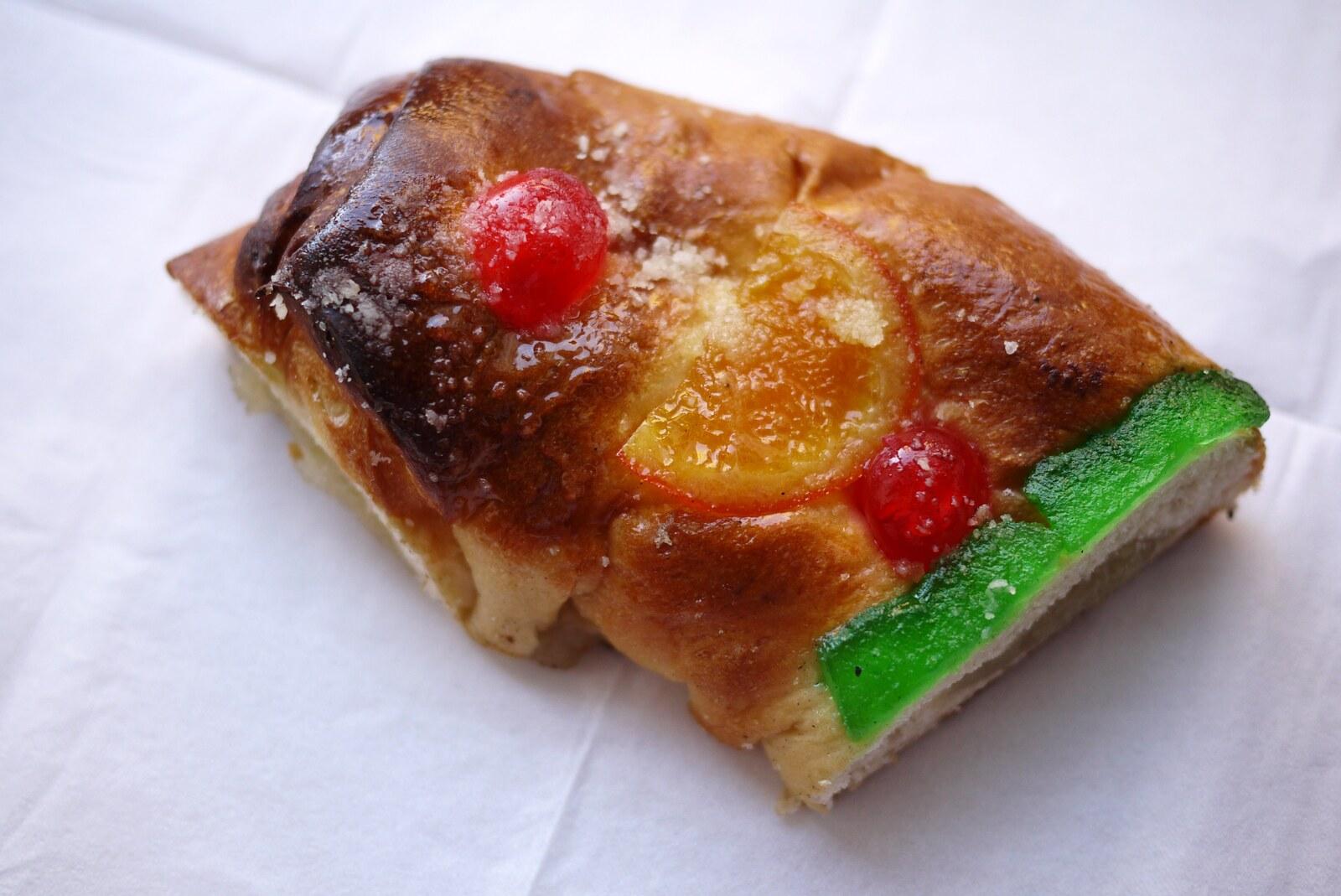
The tortell de Reis is a ring-shaped celebratory cake, usually decorated with candied fruit. Inside are a king figurine and a dried bean. The person who finds the king wears the paper crown; the person who finds the bean traditionally pays for the tortell. Warn children and anyone eating quickly that objects are hidden inside.
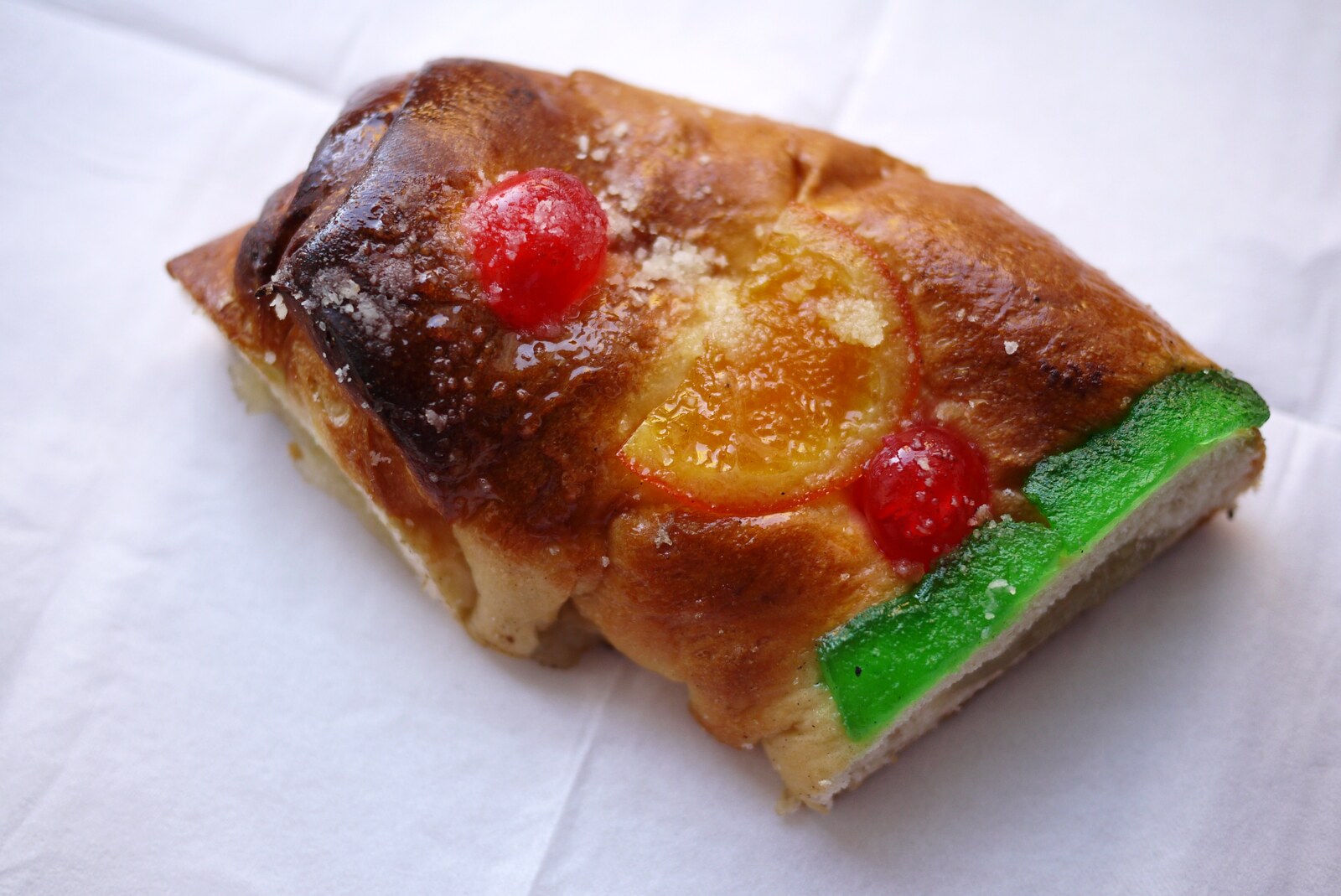
Buying one from a bakery is public participation available to anyone. Order ahead if you need a particular size or filling, ask how many people it serves and keep the crown and explanation with the cake. You can share it with travel companions without manufacturing a family invitation.
If you are invited to a meal, wait for the host to cut and distribute the tortell. Do not swap pieces in pursuit of the figurine or turn the bean into a serious demand for payment. The joke works because the table agrees to play it.
Rain, crowds or no invitation do not ruin the tradition
Check the municipality’s channels again on 5 January. Rain can move an arrival indoors, shorten a route, delay it or cancel exposed elements. If the central section becomes uncomfortably dense, walk away from the procession’s destination and choose a broader earlier stretch; do not force a route crossing through families.
A smaller local cavalcade can be a better experience than the largest city event, but only when it is the one place you plan to attend. If no suitable public event works, visit a booked campament, follow the broadcast or buy a tortell for the next day. And if no one invites you home, nothing has gone wrong. The street celebration was the part offered to the whole town; respecting the door after it closes is part of understanding the night.
Related guides
- Revetlla de Sant Joan: Fireworks, Bonfires and Etiquette
Understand Catalonia's 23 June midsummer night, where public events end and private celebrations begin, and how to handle fireworks safely.
- Catalan Living Nativity Scenes: How to Visit a Pessebre Vivent
Choose a Catalan living nativity by format and terrain, then handle tickets, winter conditions, religious context and photography respectfully.
- Ball de Bastons: Understanding Catalonia's Stick Dance
Find a public ball de bastons performance, follow its music and formations, respect the working space and know when joining is genuinely invited.
Are you in the know?
Receive new articles, local updates, and occasional offers from selected partners. We never share your email address. Unsubscribe at any time.
By subscribing you agree to our privacy policy.