Culture
Revetlla de Sant Joan: Fireworks, Bonfires and Etiquette
Understand Catalonia's 23 June midsummer night, where public events end and private celebrations begin, and how to handle fireworks safely.
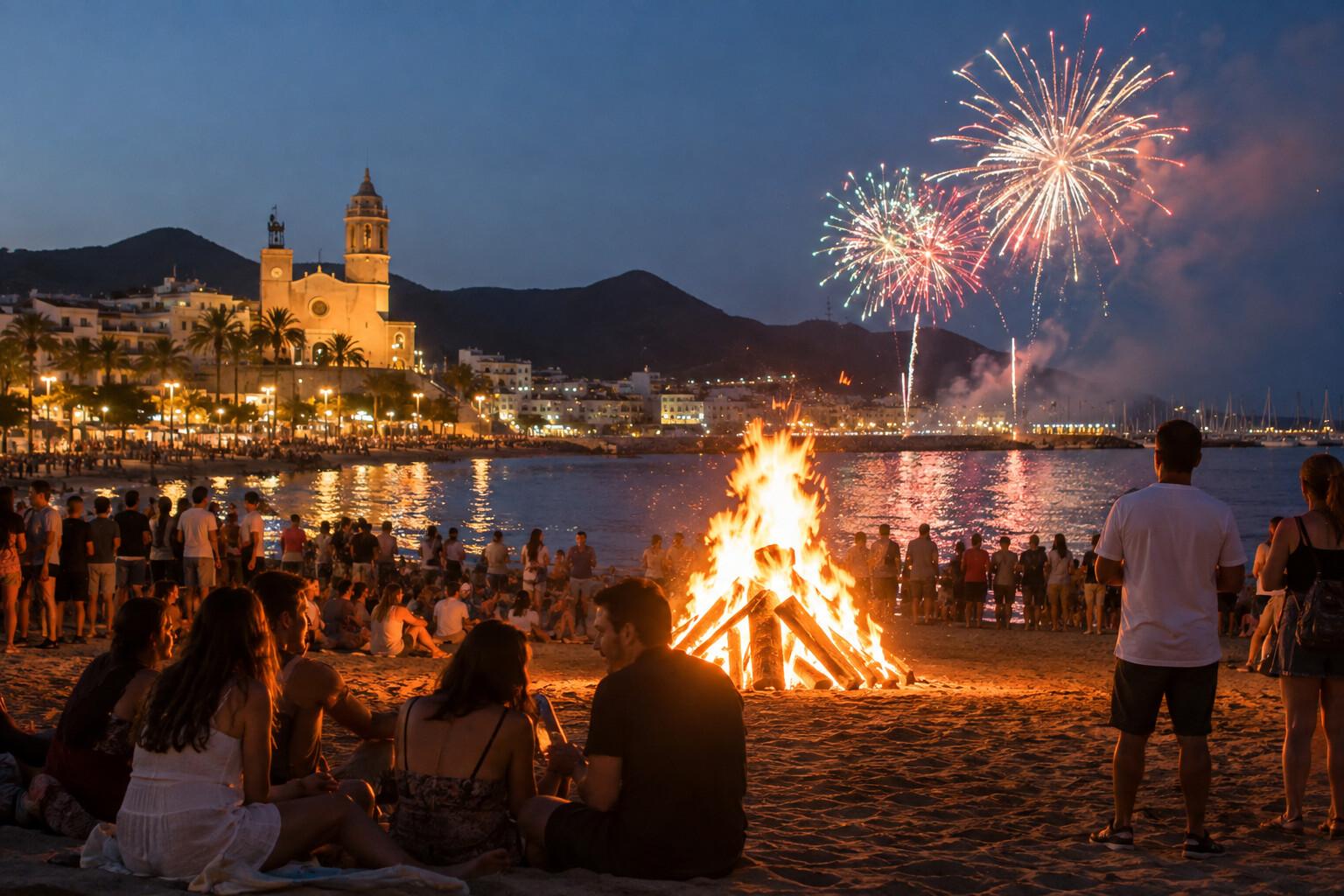
On the night of 23 June, Catalonia does not stage one Sant Joan event. Neighborhood dinners, municipal bonfires, firecracker use, beach gatherings, concerts, and private terraces overlap until late. A visitor needs to identify which part is publicly programmed, which part is spontaneous street life, and which part is simply someone else's celebration.
The Generalitat's festive heritage inventory provides cultural context, while the municipality's current programme and civil-protection notices govern the practical night. Use the latter for fire restrictions and event boundaries.
Choose a public programme before dusk
Look for a council, civic center, neighborhood association, or cultural organization's published event. Note the square, access time, bonfire lighting, concert, family activities, and road closures. An advertised public revetlla welcomes attendance under its conditions; an apartment courtyard or family table does not.
Arrive before the densest movement and identify an exit that does not cross the fire area. Public transport often runs differently overnight, but services and station access vary. Save the actual journey home rather than assuming a normal weekday timetable.
Firecrackers are part of the soundscape
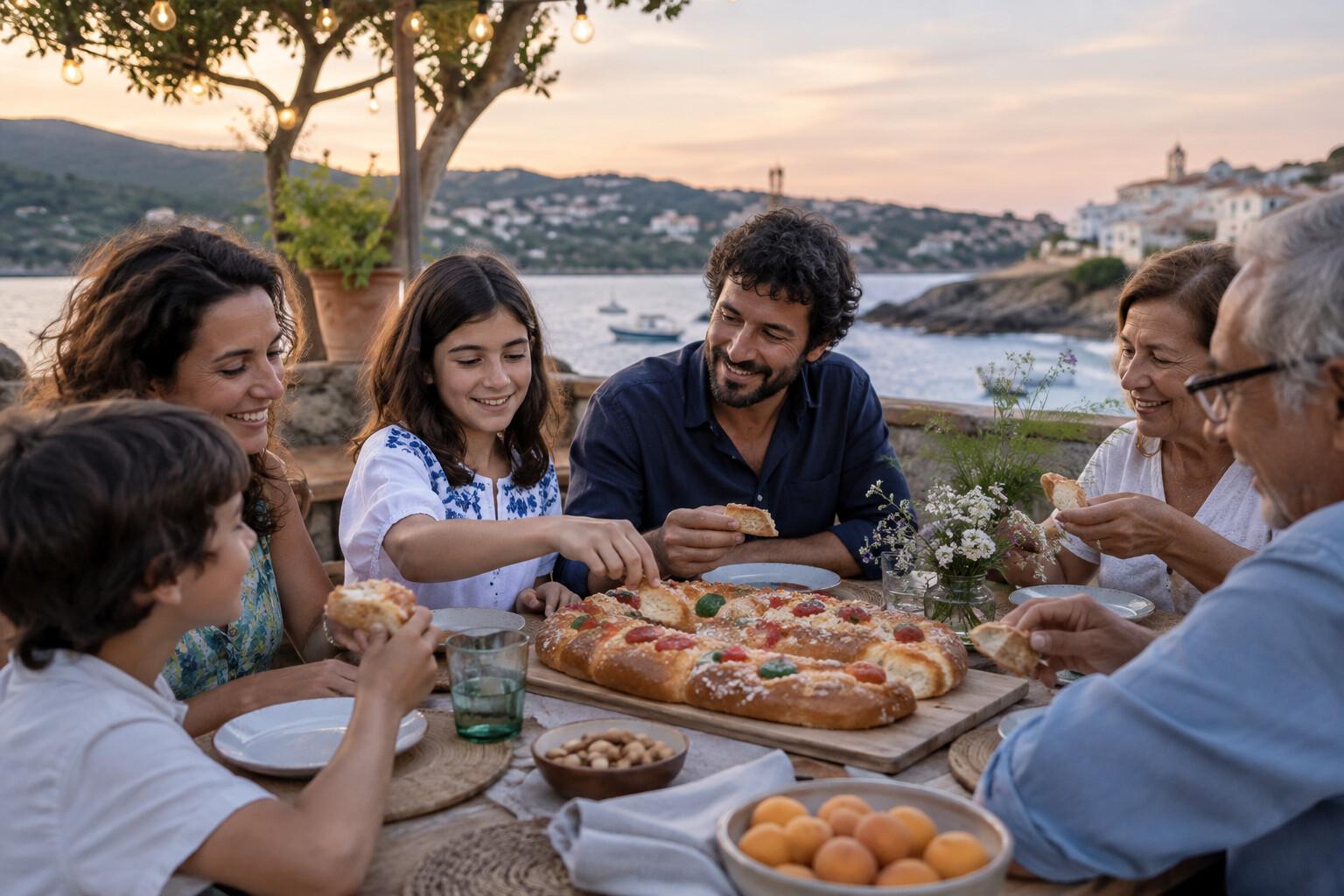
Expect sudden noise before and after the principal event. People with hearing, sensory, respiratory, or trauma-related concerns need a quieter plan, ear protection, and permission to leave early. Dogs are safest in a secure familiar environment, not beside a bonfire.
Children need close supervision. Never pick up an unexploded firework, throw one toward a person, or use pyrotechnics outside the permitted age, place, and safety rules. Closed-toe shoes, cotton clothing, and distance from sparks are sensible around a public fire programme.
Compare late-night transport in Barcelona only after identifying the exact neighborhood and closure pattern. A route planner cannot guarantee a street remains open beside a bonfire.
Coca and cava belong to the shared table
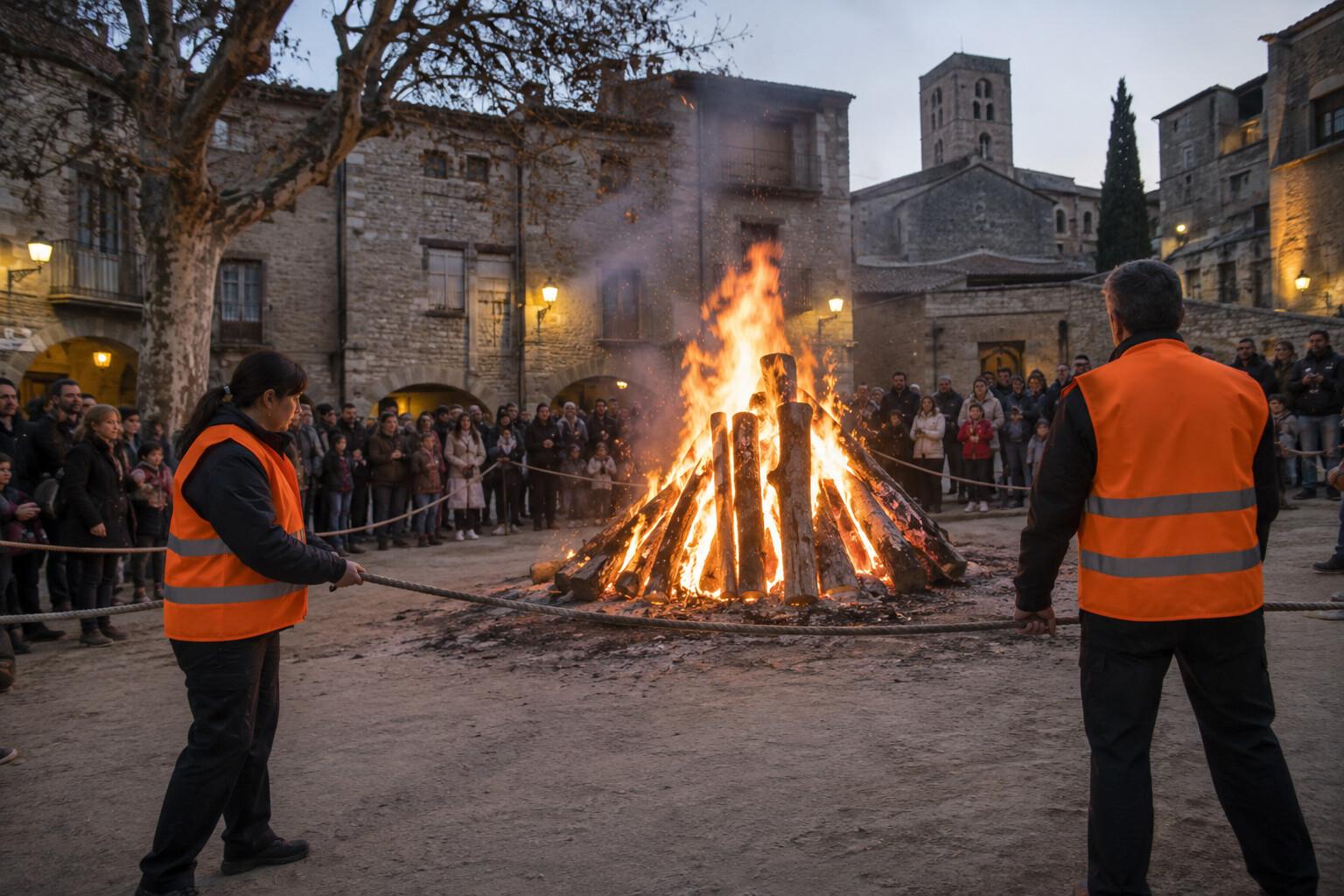
Coca de Sant Joan appears in bakery windows in several forms, commonly with candied fruit, cream, or crackling. Buy during the day; popular bakeries take orders and may sell out. A medium coca shared among several people commonly costs about €18–35, depending on size and filling.
Bring something only when invited to a private gathering, and ask what helps. At a public event, buy from the official bar or nearby bakery rather than treating a family's food as communal.
Beaches are not rule-free zones
Municipalities can restrict bonfires, tents, glass, alcohol, and fireworks on sand. Cleaning crews and emergency access need space. Follow the current local rules and leave no wax, wire, glass, food, or firework debris.
Swimming at night after drinking is a poor decision. Darkness, crowds, currents, and unobserved entry multiply risk. Enjoy the shore from dry land unless a supervised activity explicitly says otherwise.
The morning after is still part of the custom
Noise can continue into the early hours, and 24 June is a public holiday in Catalonia. Shops, museums, and transport may follow holiday patterns. Do not schedule an early long-distance departure without checking access to the station and allowing for little sleep.
Sant Joan is easiest to enjoy when the visitor stops trying to control its entire atmosphere. Choose one public celebration, protect hearing and distance, taste the coca, and leave before fatigue turns the night into a transport problem. Participation means following the community's boundaries, not standing closest to the fire.
Related guides
- Three Kings in Catalonia: Parade, Gifts and Visitor Etiquette
Watch a Catalan Three Kings cavalcade with context, understand the pages and letters, and keep the public parade separate from private family gifts.
- Catalan Living Nativity Scenes: How to Visit a Pessebre Vivent
Choose a Catalan living nativity by format and terrain, then handle tickets, winter conditions, religious context and photography respectfully.
- Ball de Bastons: Understanding Catalonia's Stick Dance
Find a public ball de bastons performance, follow its music and formations, respect the working space and know when joining is genuinely invited.
Are you in the know?
Receive new articles, local updates, and occasional offers from selected partners. We never share your email address. Unsubscribe at any time.
By subscribing you agree to our privacy policy.