Culture
Tió de Nadal in Catalonia: Visitor Etiquette and Timing
Understand the Tió de Nadal as a family Christmas tradition, then join a public event or invitation without turning it into a caricature.
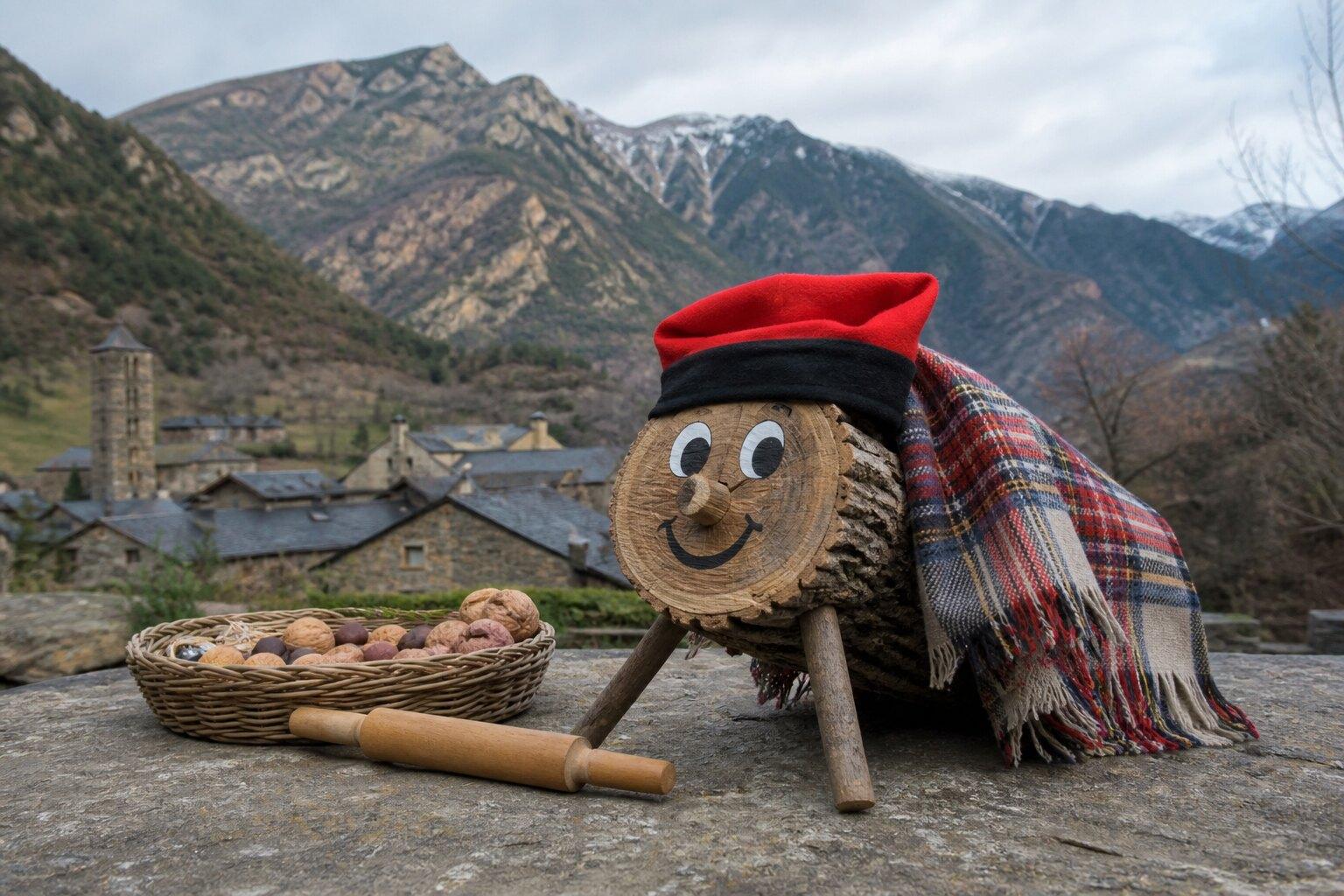
The Tió de Nadal is funny, but it is not only a joke awaiting translation. In many Catalan homes, the decorated log arrives in early December, is covered with a blanket and “fed” by children until Christmas. On the chosen day, the family sings, taps the Tió with sticks and discovers small presents beneath the blanket.
Call it the Tió or Tió de Nadal. Caga tió is the command in the song and a common popular label, not the only respectful name for the character.
Follow the household version
Families differ over when the Tió arrives, what it eats, which verses they sing and whether the ritual happens on Christmas Eve or another family day. The Catalan tourism board’s explanation of the Tió describes the familiar early-December arrival, care during Advent and Christmas Eve celebration. It is an introduction, not a rulebook for correcting your hosts.
If invited, watch the family’s rhythm. Help only when asked, sing the version they teach and accept that children are the centre of the event. Gifts are traditionally modest—sweets and small items rather than a second pile of major presents.
Public events are performances with boundaries
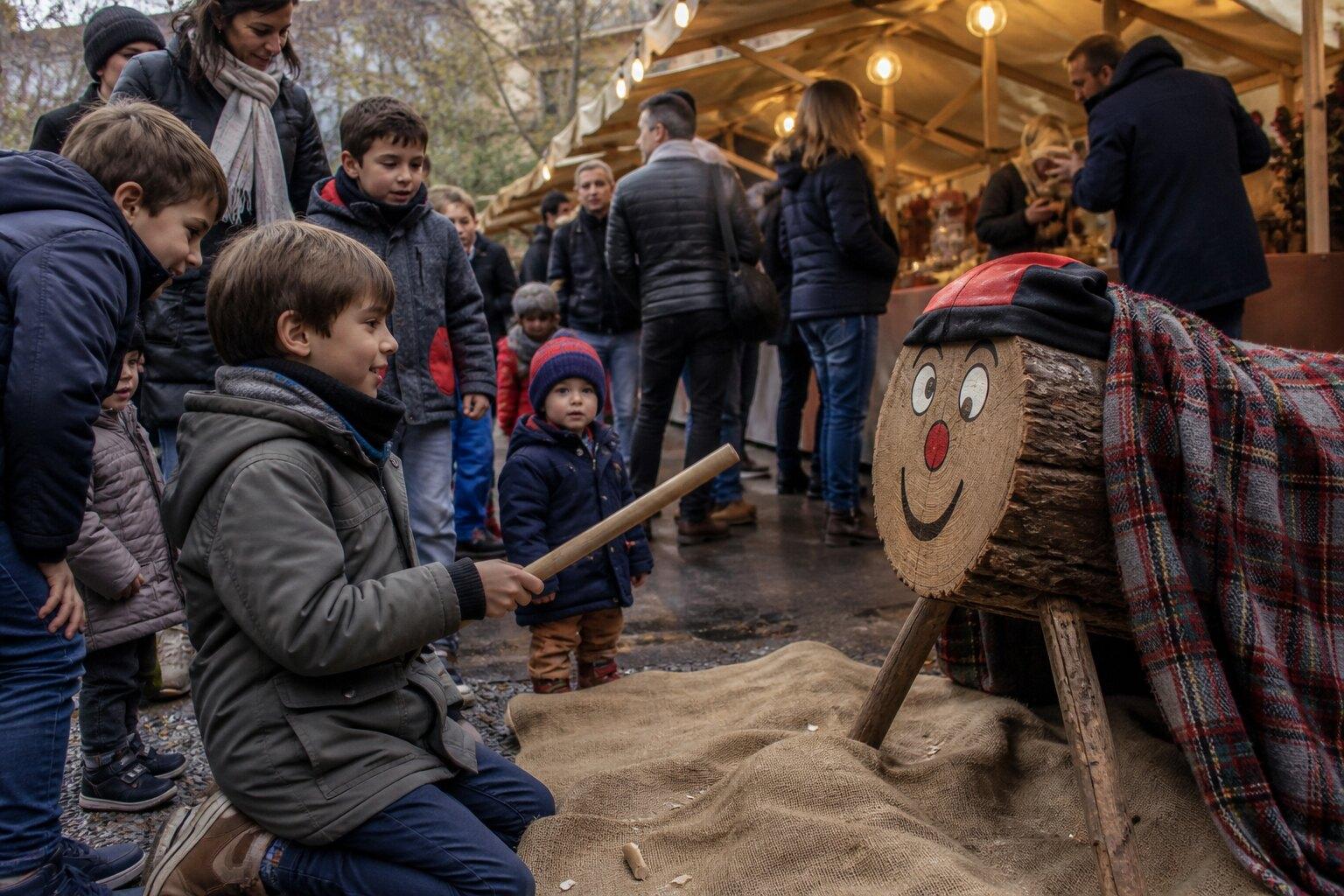
Municipal programmes, schools, markets and cultural centres often organise communal Tiós during Advent. Check the current programme for age range, registration, queue and language. Many are free, while a handmade decorative Tió may cost roughly €10–40 depending on size and craft.
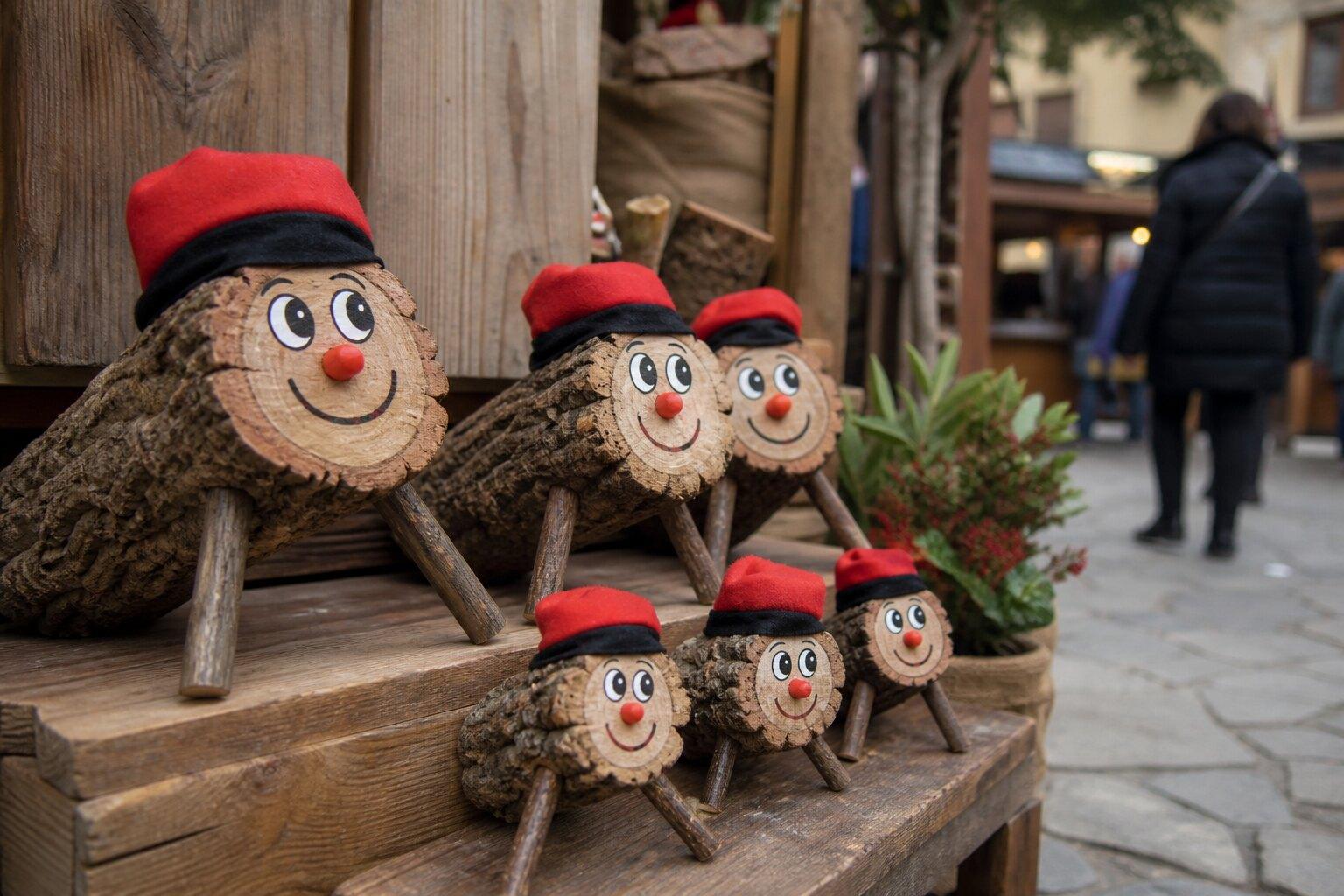
At a market, distinguish the object from the ceremony. Buying a small log does not include a universal song sheet or a fixed set of actions. Ask the maker how it was produced, carry it as a seasonal object rather than a comic costume, and let a Catalan-speaking host explain unfamiliar words when participation is invited.
Keep behind the participant line, follow instructions about sticks and ask before photographing identifiable children. Songs, tapping and excited crowds can be loud; a smaller neighbourhood session is often better for children or adults with sensory sensitivities.
Do not buy a prop merely to stage an exaggerated social-media version. If no public event fits, visit a Christmas market, learn the story and leave the family ritual to families. A small Tió can be a seasonal decoration without a mock ceremony.
The humour works because it sits inside care, anticipation and repetition. Reducing the custom to an English scatological punchline discards everything that makes it warm: children feeding the log, adults arranging the surprise and generations singing together.
Visitors should also resist declaring a single ancient origin as settled fact. Modern explanations often connect the Tió with rural hearth customs and winter symbolism, but household practice is the part a guest can observe directly. Describe what the family does and what it means to them instead of turning a living Christmas ritual into an archaeological certainty.
Information checked 17 August 2026. Public dates, capacity and registration change each Christmas season.
Related guides
- Your First Catalan Aplec: How to Join Respectfully
Read an aplec programme, reach its rural setting and understand when a meal, dance or religious act is public, reserved or participatory.
- La Patum de Berga: A First Visit to Fire and Crowd
Choose the right Patum session, understand Plaça de Sant Pere’s crowd and fire, and secure a walkable bed or confirmed return.
- Festa Major: How to Join a Catalan Town Festival Respectfully
Read a festa major programme, choose events, handle fire and crowds, and take part without treating a neighbourhood tradition as a show.
Are you in the know?
Receive new articles, local updates, and occasional offers from selected partners. We never share your email address. Unsubscribe at any time.
By subscribing you agree to our privacy policy.