Tradition
La Castanyada: A Catalan Autumn Evening, Not a Costume Requirement
Understand the chestnuts, sweet potatoes and panellets around All Saints, then find a public event without intruding on a family observance.
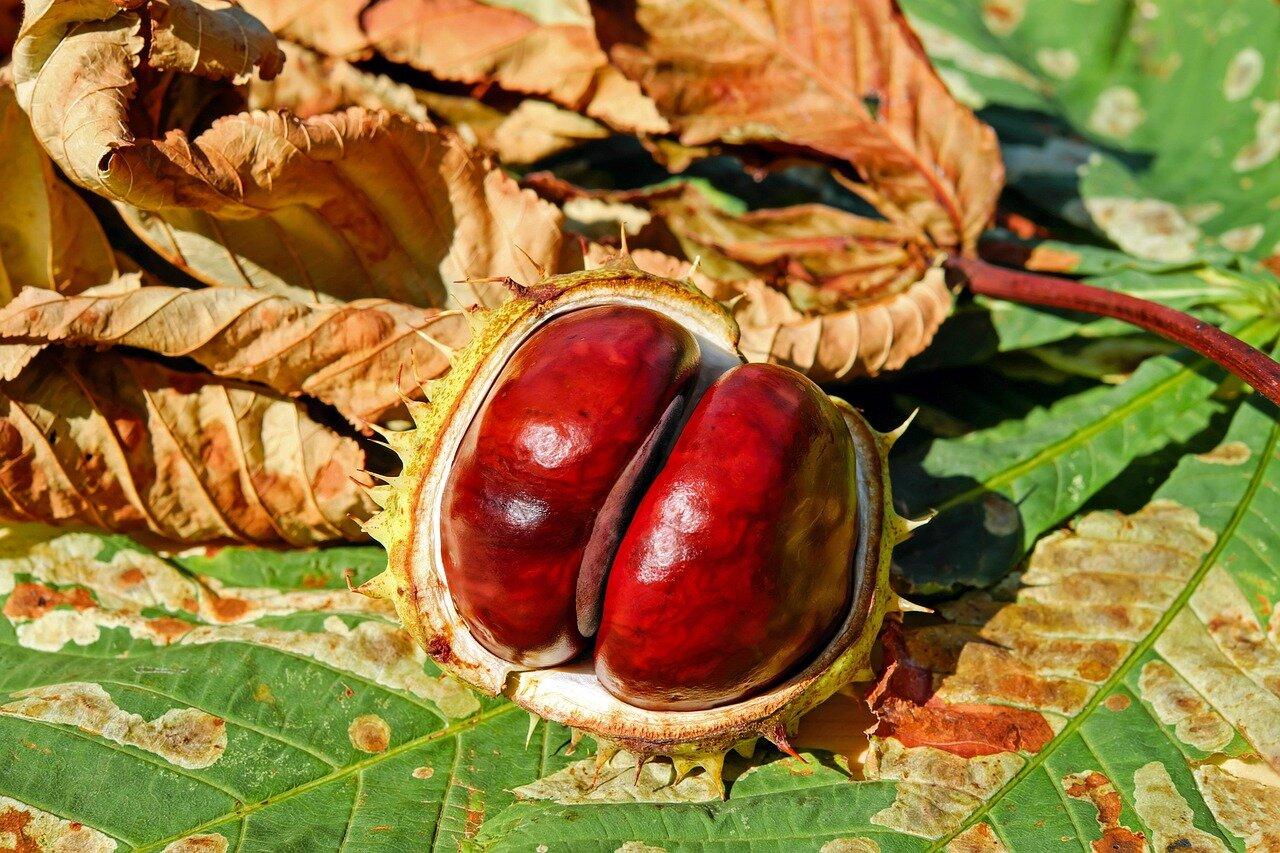
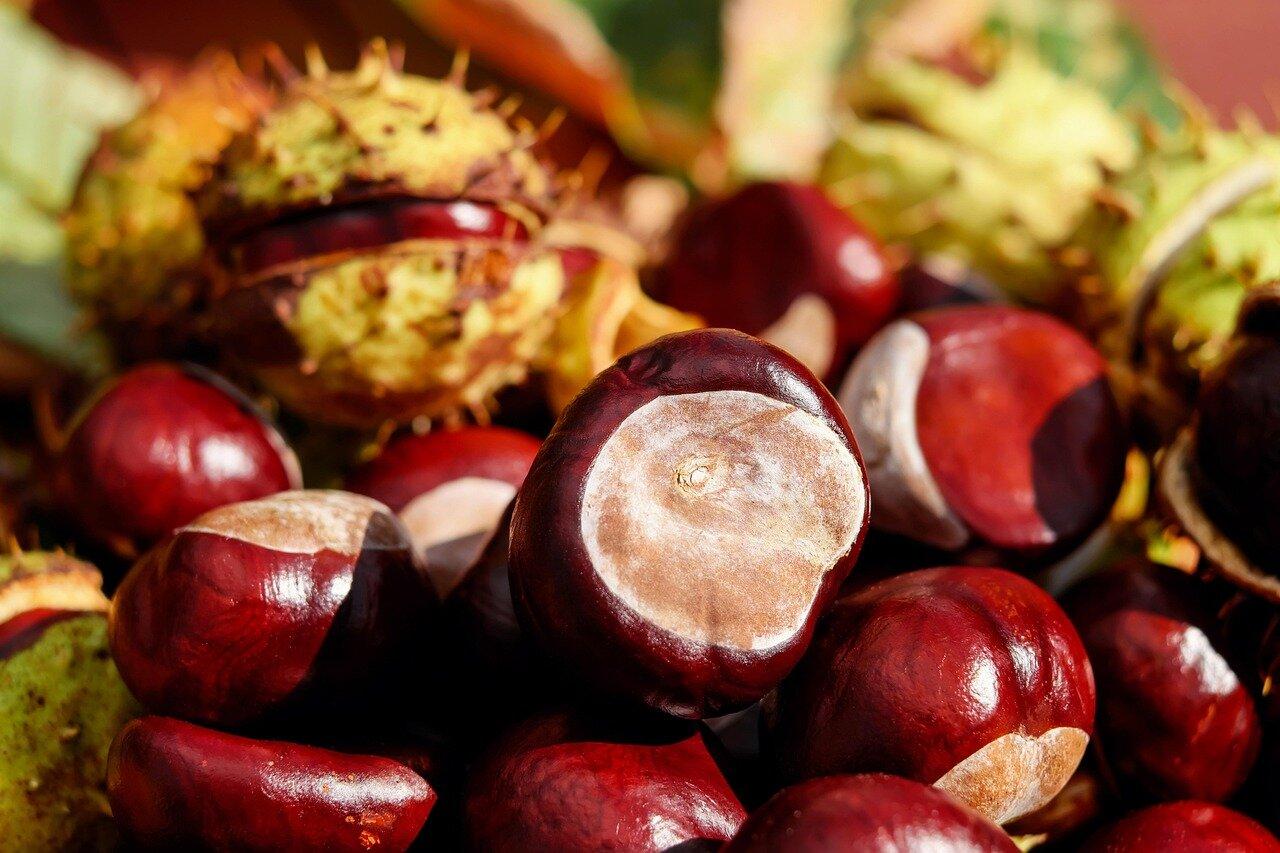
At the end of October, bakery windows fill with panellets and smoke rises from chestnut stalls. La Castanyada belongs to the eve and season around All Saints: roasted chestnuts, baked sweet potatoes and small almond sweets shared at home, at school or at a public neighbourhood gathering.
Halloween now occupies the same calendar, especially for children. The two can coexist. What matters is not presenting every family custom as a public show or treating 1 November—a day that can include cemetery visits and remembrance—as an extension of a costume party.
Buy less than the window suggests
Panellets are dense and normally sold by weight. A mixed box lets several people compare pine nut, coconut, coffee, quince or other bakery variations without buying a full tray of each. Pre-order from a respected bakery when a particular style matters, especially for the days immediately before 1 November.
Ask about allergens. Almond and egg are common, and pine-nut versions cost more; a visual guess is not sufficient for someone with an allergy. Chestnut stalls sell warm cones for eating nearby. Keep shells out of planters and doorways, and give hot braziers space.
Barcelona's Ciutat Vella festive protocol records neighbourhood celebrations around the Castanyada and the customary chestnuts, sweet potatoes and panellets. It is evidence of a living city tradition, not a universal programme for every Catalan town.
Find the event in the municipal calendar
Check the current council, civic-centre or neighbourhood-association programme. An advertised square roast, concert or workshop welcomes visitors under its published conditions. A school event, members' supper or family table does not become open simply because it appears in a social post.
In a city, a satisfying evening may be no more than a bakery visit before closing, a walk at dusk and a paper cone of chestnuts. In a village, build around the one scheduled communal event rather than inventing a circuit. Confirm the last bus because holiday service can thin on 1 November.
Allow roughly €12–30 for a modest panellet box and €3–6 for a cone of chestnuts as planning ranges, not quoted tariffs. Buy in the morning if stock matters. If the bakery sells out, accept another sweet or return on a quieter day; staff cannot produce a private batch to complete an itinerary.
Let 1 November change the tone
Cemeteries and religious spaces may be busy with residents paying respects. Keep voices low, photography restrained and access routes clear. A lively 31 October does not grant permission to turn the following morning into content.
Castanyada is easiest to understand through one good purchase and one genuinely public invitation. Eat the food at its natural scale, observe how the neighbourhood marks the season and leave without demanding that a domestic tradition perform for you.
Confirm the current event programme, bakery hours, allergens and holiday transport before making a special journey.
Related guides
- Esmorzar de Forquilla: How to Join a Catalan Fork Breakfast
Join a Catalan fork breakfast at the hour and pace of the bar, ordering a cooked plate without turning a working tradition into a food challenge.
- Sant Esteve in Catalonia: The 26 December Table
Why 26 December matters in Catalonia, what cannelloni signify, how restaurant service changes, and how visitors can join respectfully.
- Rumba Catalana: Barcelona Roots and Where to Hear It
Discover Barcelona’s rumba catalana roots through neighbourhood context, confirmed live programmes, respectful listening and evening logistics.
Are you in the know?
Receive new articles, local updates, and occasional offers from selected partners. We never share your email address. Unsubscribe at any time.
By subscribing you agree to our privacy policy.