Culture
Havaneres in Catalonia: Understanding a Cantada
Understand havaneres and the cantada tradition, with advice on finding performances, seating, cremat, audience etiquette and late returns.
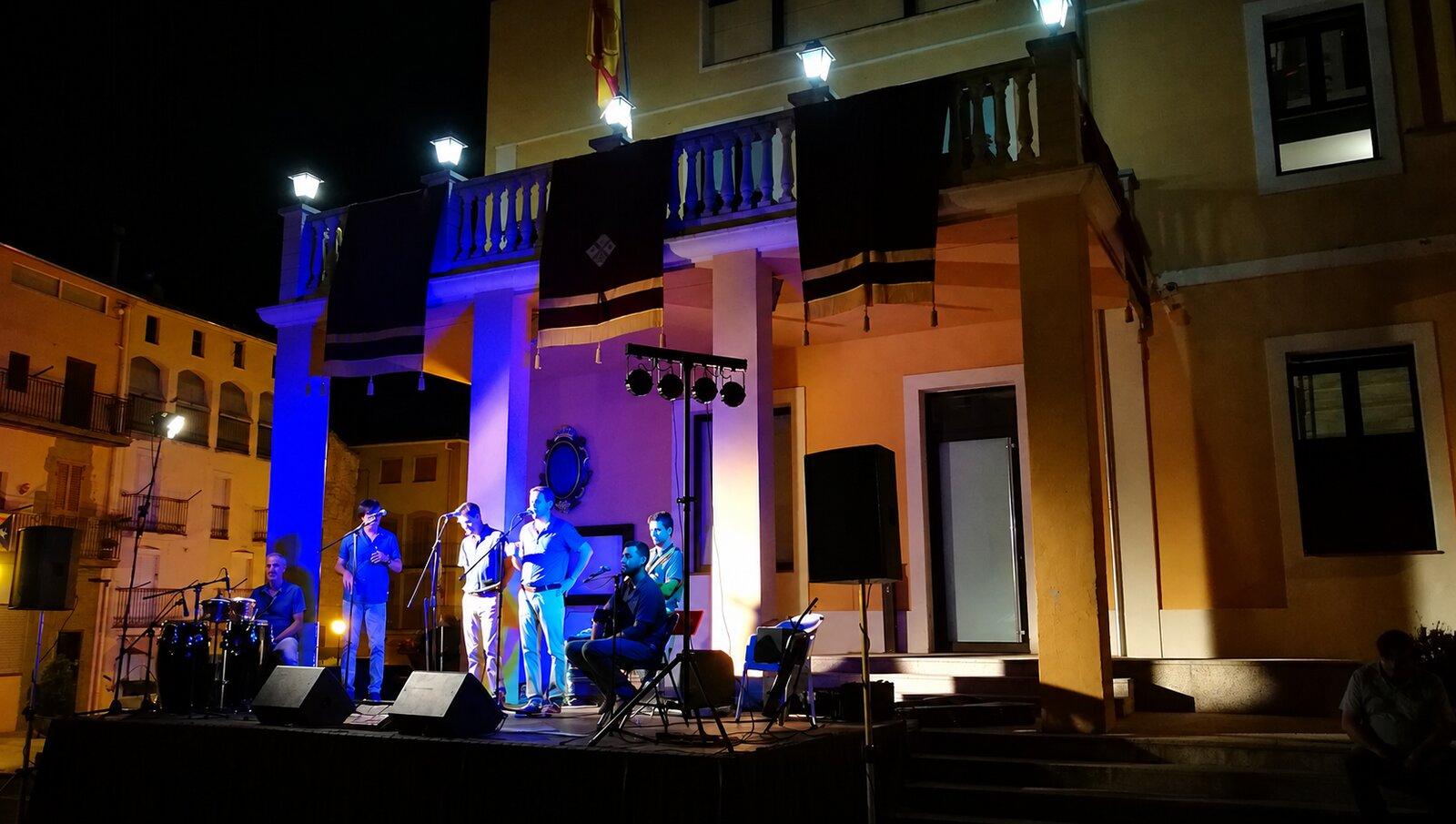
At a cantada d’havaneres, several voices carry the melody and the audience may join a familiar refrain. You can encounter that exchange in a village square or on the much larger stage at Calella de Palafrugell. The smaller gathering is often the easiest introduction: arrive, find a place and listen.
Havaneres connect Catalan musical life with Cuba and maritime memory. Familiarity with the songs helps, but the blend of voices and the audience’s response offer plenty to follow on a first evening.
Calella’s gathering began at a much smaller table
The organiser’s history of the Calella cantada traces its beginnings to a gathering around the publication of a song collection in 1966, followed by a formal event in 1967. The move to Port Bo in 1969 established the setting now associated with the festival.
The gathering preceded the big stage and television audience. That is part of the appeal of a local cantada today: the voices and audience remain close enough to hear one another.
For a first listen, try “La bella Lola” and “El meu avi”. The organiser identifies both with Calella’s closing singalong, with “El meu avi” added in 1977. Familiarity with those refrains helps explain the audience’s anticipation, though each group brings its own repertoire to the rest of the evening.
Choose between a local cantada and the Calella event
For a first encounter during an existing trip, search the municipality’s actual festa-major programme for “havaneres” or “cantada.” Confirm the location and whether seating is provided. A square, beach and indoor hall make different demands on arrival time, footwear and comfort.
The official Calella event website is the starting point for its next edition, ticket release and access information. Information checked September 2026. Use the current edition’s programme rather than carrying forward a previous year’s ticket price or a recurring date from a travel blog.
Local public performances may be free, while a major event can have reserved paid seating and other viewing arrangements. A free public location does not guarantee a good view or a chair. If you need to sit throughout, establish a genuine seating option before choosing the event.
As an initial budget for a local evening, allow €15–30 per adult for a simple meal and a drink, plus transport. For Calella, add the displayed ticket price and any accommodation. There is no useful universal “havaneres ticket” tariff.
Listen for the group, not just the main singer
Pay attention to how the voices sit together and how the accompaniment supports them. A familiar chorus may draw a strong response from the audience, while a quieter verse asks for concentration. Following that change is enough to participate respectfully without knowing the words.
Keep conversation for the pauses. If you want to discuss a song or translate something for a companion, move away from listeners rather than speaking over the performance. The same courtesy applies to a small outdoor gathering as to a ticketed concert.
Join a refrain when the performers invite the audience in. Listening through the first repetition is enough to find where to enter.
Cremat is optional, and it still contains alcohol
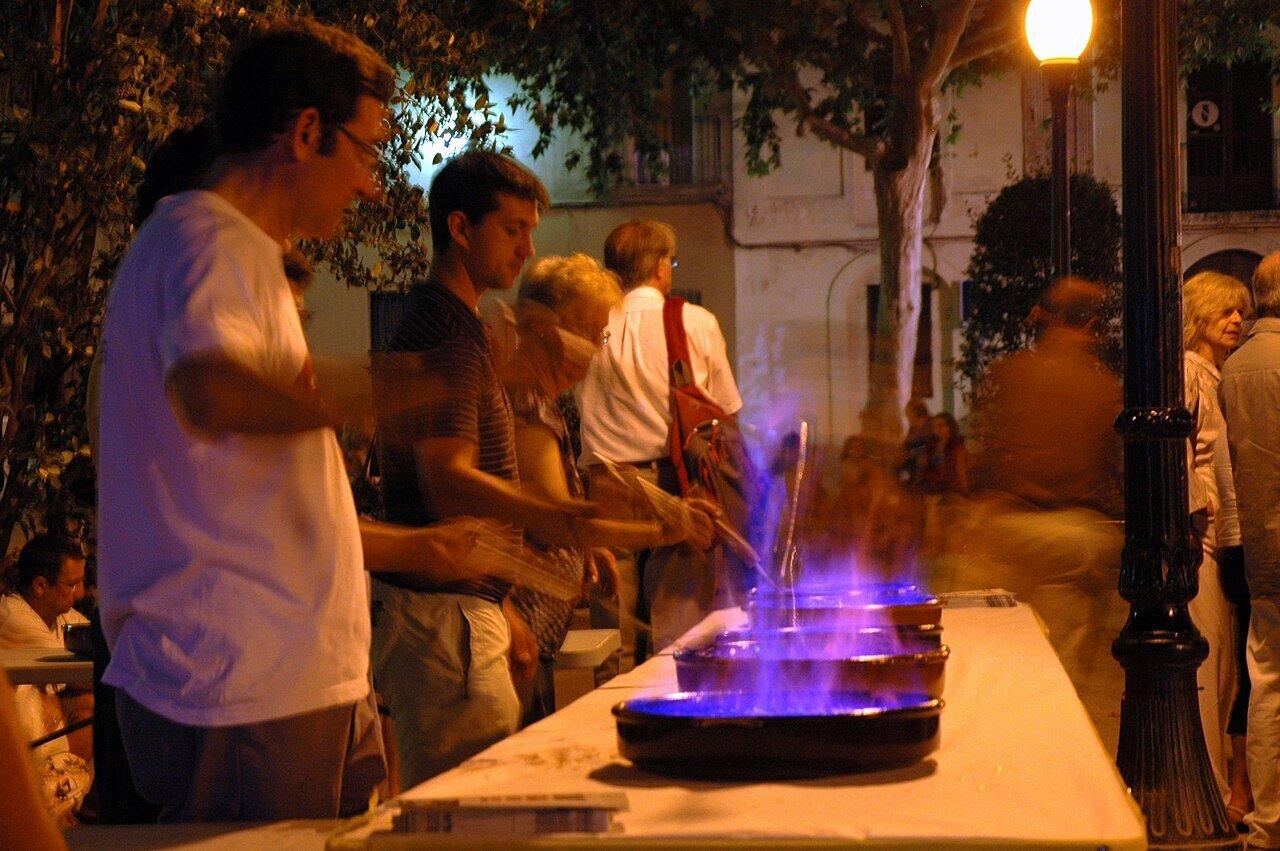
Some cantades include or sell cremat, the rum-based drink associated with these gatherings. Ask whether it is included, sold separately or unavailable at that particular event. A drink shown in promotional imagery is not necessarily part of a ticket.
Cremat contains alcohol despite being heated and flamed. Drivers and anyone avoiding alcohol should choose a soft drink.
If the drink is prepared in view of the audience, give the people serving it room. Flames and a crowd are a reason to keep a respectful distance, not to lean over for a photograph. Take a cup only from the organised service point.
Make the late return part of the evening
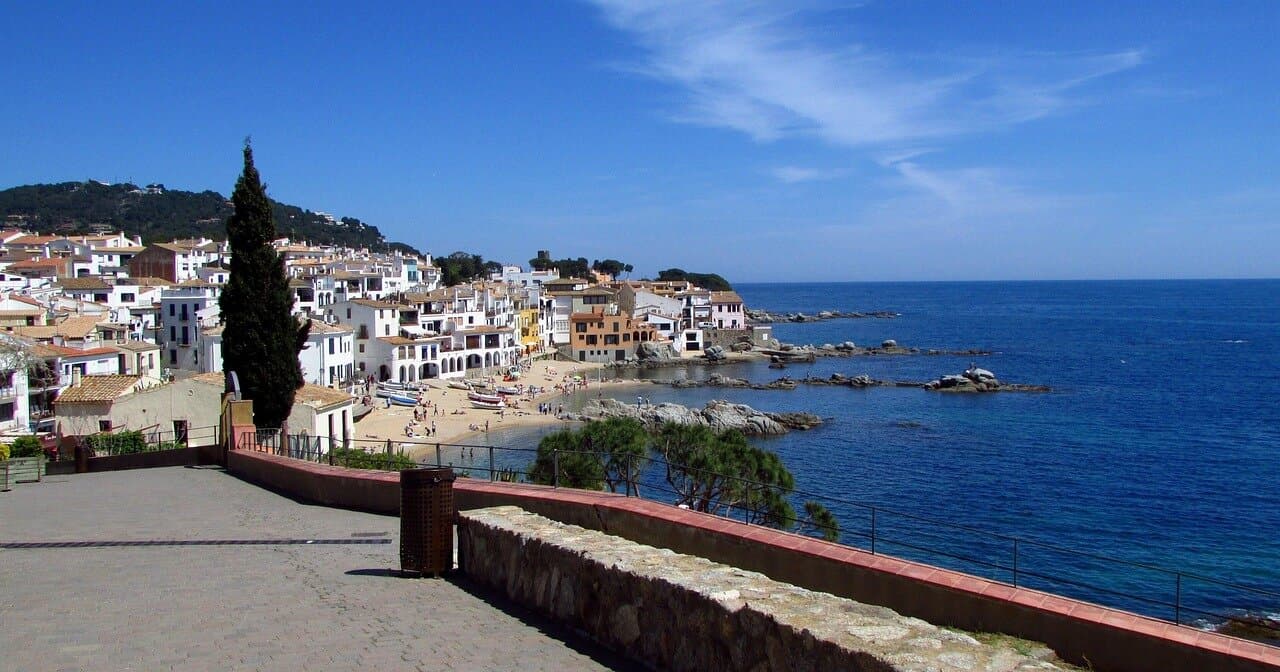
For Calella de Palafrugell, remember that there is no railway station in the village. A train-based trip requires an onward road connection, and a daytime bus timetable does not establish a late-night return. Book accommodation within a practical walking radius or arrange the actual post-event transport.
For a local cantada, identify the last usable service before sitting down. If leaving early, choose a place near the edge of the audience so departure causes less disruption. A prearranged taxi pickup should be at a named point that remains accessible when event streets are closed.
Bring a light layer for a coastal evening and a small amount of water. Anyone sensitive to amplified sound should choose a position away from speakers. Visitors needing step-free access should ask about the audience area and toilets; a level-looking beach venue may still involve sand or kerbs.
For a weather change, follow the organiser’s relocation or cancellation announcement before travelling. An indoor replacement may have different seating and capacity from the original outdoor venue.
For an overnight after the Calella event, look at accommodation in Calella de Palafrugell and trace the walk from the performance site before booking. A nearby-town result may still leave you needing a late taxi.
Related guides
- Rumba Catalana: Barcelona Roots and Where to Hear It
Discover Barcelona’s rumba catalana roots through neighbourhood context, confirmed live programmes, respectful listening and evening logistics.
- Your First Catalan Aplec: How to Join Respectfully
Read an aplec programme, reach its rural setting and understand when a meal, dance or religious act is public, reserved or participatory.
- Tió de Nadal in Catalonia: Visitor Etiquette and Timing
Understand the Tió de Nadal as a family Christmas tradition, then join a public event or invitation without turning it into a caricature.
Are you in the know?
Receive new articles, local updates, and occasional offers from selected partners. We never share your email address. Unsubscribe at any time.
By subscribing you agree to our privacy policy.