Culture
Sardanes in Catalonia: A First-Time Guide to the Circle Dance
Understand what dancers and musicians are doing in a sardana, where to find a public ballada, and when a visitor may join the circle.
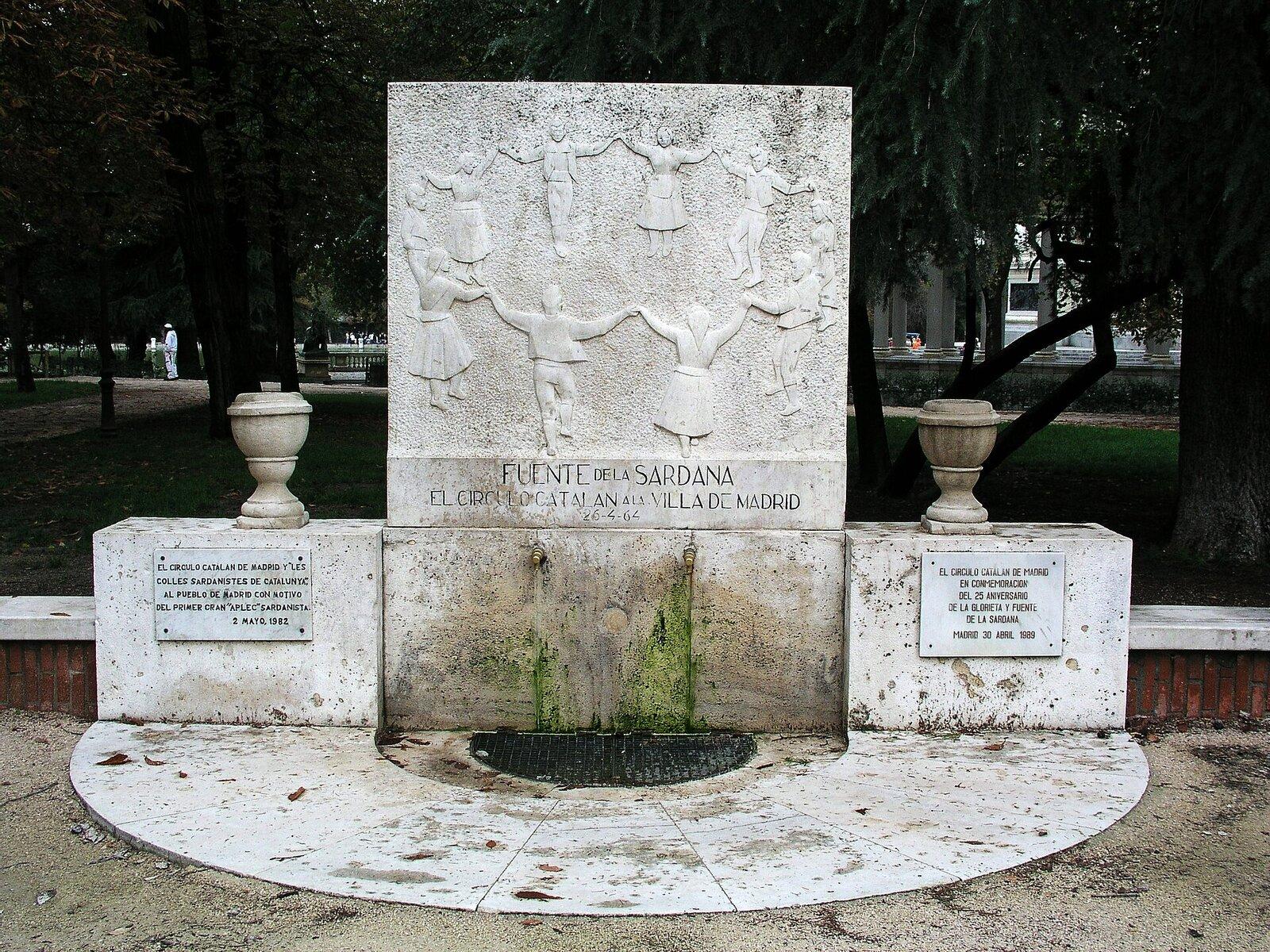
A sardana circle does not perform outward to an audience. The dancers face one another, listen to the cobla and count. From outside, the steps can look modest; inside, every person is helping a shared pattern stay intact. That inward attention is the first thing a visitor should understand before deciding whether to watch or join.
Public sardanes appear in town squares, neighbourhood festivals and dedicated gatherings called aplecs. They are not staged reconstructions of Catalan life. The people in the circle may be practising a demanding dance, meeting friends, maintaining a civic tradition or simply enjoying the music on a Sunday morning.
The cobla tells the circle what comes next
Before watching the feet, find the cobla. The characteristic outdoor ensemble brings together the small flabiol and tamborí, penetrating double reeds, brass and double bass. The Generalitat cultural agenda's Som Sardana entry describes the form as dance, music and tradition and links the sector's current activity agenda.
The flabiol’s opening call gathers attention. The double reeds give the ensemble its penetrating outdoor sound; brass and bass provide weight beneath it. Dancers listen for the musical structure because a sardana alternates curts, the short steps, and llargs, the long steps. Hands are generally held lower during the curts and raised during the llargs, so the circle’s silhouette reveals where the dance has reached even before a newcomer can count it.
An open circle is not an automatic invitation
One of the sardana’s most generous qualities is that a circle can expand. In practice, openness still depends on the moment.
Watch one complete sardana first. Experienced circles may be concentrating on exact counts and will not be the best place for a first attempt. A looser group, an explicit beginner session or a dancer who gestures you in is different. Enter between two people rather than breaking through joined hands, leave bags and drinks outside, and follow the neighbouring feet instead of trying to lead.
The steps are small, but small does not mean easy. If the count is lost, step out calmly at a natural break. No apology needs to become a performance; a smile and a little space are enough.

Watching well is already participation
Stand beyond the circle’s changing edge and keep a route open for dancers and passers-by. Do not cross the centre for a photograph, push a camera close to faces or block the line between musicians and dancers. Applause at the end is welcome. Conversation belongs farther from the cobla, whose acoustic instruments are doing the work of filling the square.
Children may join family circles, and spectators often move in and out during a longer ballada. That informality should not be mistaken for a lack of boundaries. The event remains a community’s use of its own public space.
Find a ballada, not a promise of daily dancing
Search municipal programmes for ballada de sardanes, audició de sardanes or aplec de sardanes. Festa major schedules are good sources in towns across Catalonia; in Barcelona, the city events calendar is more dependable than a fixed claim that dancing always happens in one square at one hour.
Outdoor ballades are commonly free and often last one to two hours. Arrive 15 minutes before the advertised start to locate the cobla and understand how the space is being used. Rain, heat warnings or a competing civic event can move or cancel the programme, so consult the organiser’s same-day notice.
The modern sardana form developed in the 19th century and became closely associated with Catalan identity and civic culture. That history matters, but it does not assign a single political or emotional meaning to every circle today. The respectful visitor leaves room for several truths at once: the sardana can be emblem, craft, habit, music and pleasure—and sometimes all of them within the same square.
Related guides
- Your First Catalan Aplec: How to Join Respectfully
Read an aplec programme, reach its rural setting and understand when a meal, dance or religious act is public, reserved or participatory.
- Esmorzar de Forquilla: How to Join a Catalan Fork Breakfast
Join a Catalan fork breakfast at the hour and pace of the bar, ordering a cooked plate without turning a working tradition into a food challenge.
- Catalan for Visitors: Ten Phrases and the Grace to Switch
Open an everyday exchange in Catalan, ask for what you need and follow the other person's language without turning the attempt into a performance.
Are you in the know?
Receive new articles, local updates, and occasional offers from selected partners. We never share your email address. Unsubscribe at any time.
By subscribing you agree to our privacy policy.