Tradition
Sant Jordi in Catalonia: Books, Roses and a Better Day Plan
Plan 23 April as a civic festival of books, roses and language, with room for crowds, weather and events that are not announced months ahead.
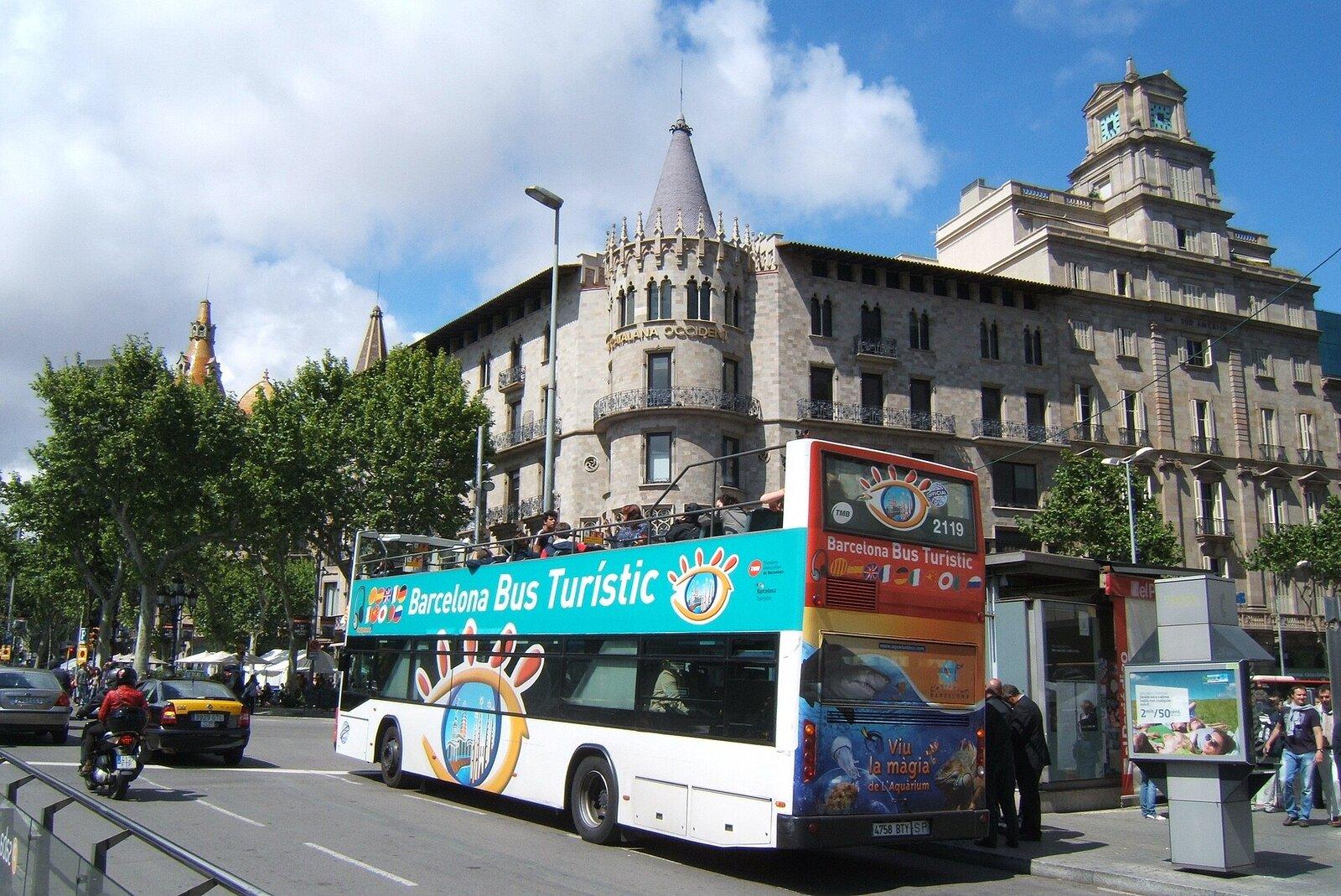
On 23 April, Catalonia gives books and roses the space normally occupied by traffic. Bookshops, publishers, florists, schools and associations move into the street; authors sign at tables while families and office workers pass through the same celebration. Calling Sant Jordi a local Valentine’s Day catches the gift exchange and misses the public life around it.
In 2027, 23 April falls on a Friday. That makes the coexistence of festival and ordinary working day especially important: morning deliveries, school outings, commuters and evening crowds will all share the center. Detailed 2027 layouts and author schedules were not published when this article was checked. Do not copy a previous year’s pedestrian zone or signing table into a future itinerary.
Barcelona’s official Sant Jordi portal is the place to confirm the current street plan when released. Earlier editions used a large central pedestrian area and additional book-and-rose points across the districts, but the boundaries and controls can change. Other Catalan towns publish their own programs through the council, library and local bookshops.
Choose the scale before choosing an author
Central Barcelona supplies the largest concentration of publishers, media and signings. It also produces the least predictable walking speed. If that energy is the reason to go, arrive around 09:00–10:00, use metro or train and choose one broad area rather than tracing individual authors across the city.
Girona, Tarragona, Lleida, Reus, Vic and smaller towns express the same day at a more legible scale. A local Rambla or main square may combine booksellers, school roses and community stages within a few blocks. The strongest choice is often the place where you are already staying, because Sant Jordi rewards returning later rather than spending midday in transit.
Do not plan Barcelona in the morning and another city in the afternoon. Train stations, pedestrian diversions and queues consume the apparent gap. One center, one meal and one or two fixed events are enough.
Buy a book you can actually read
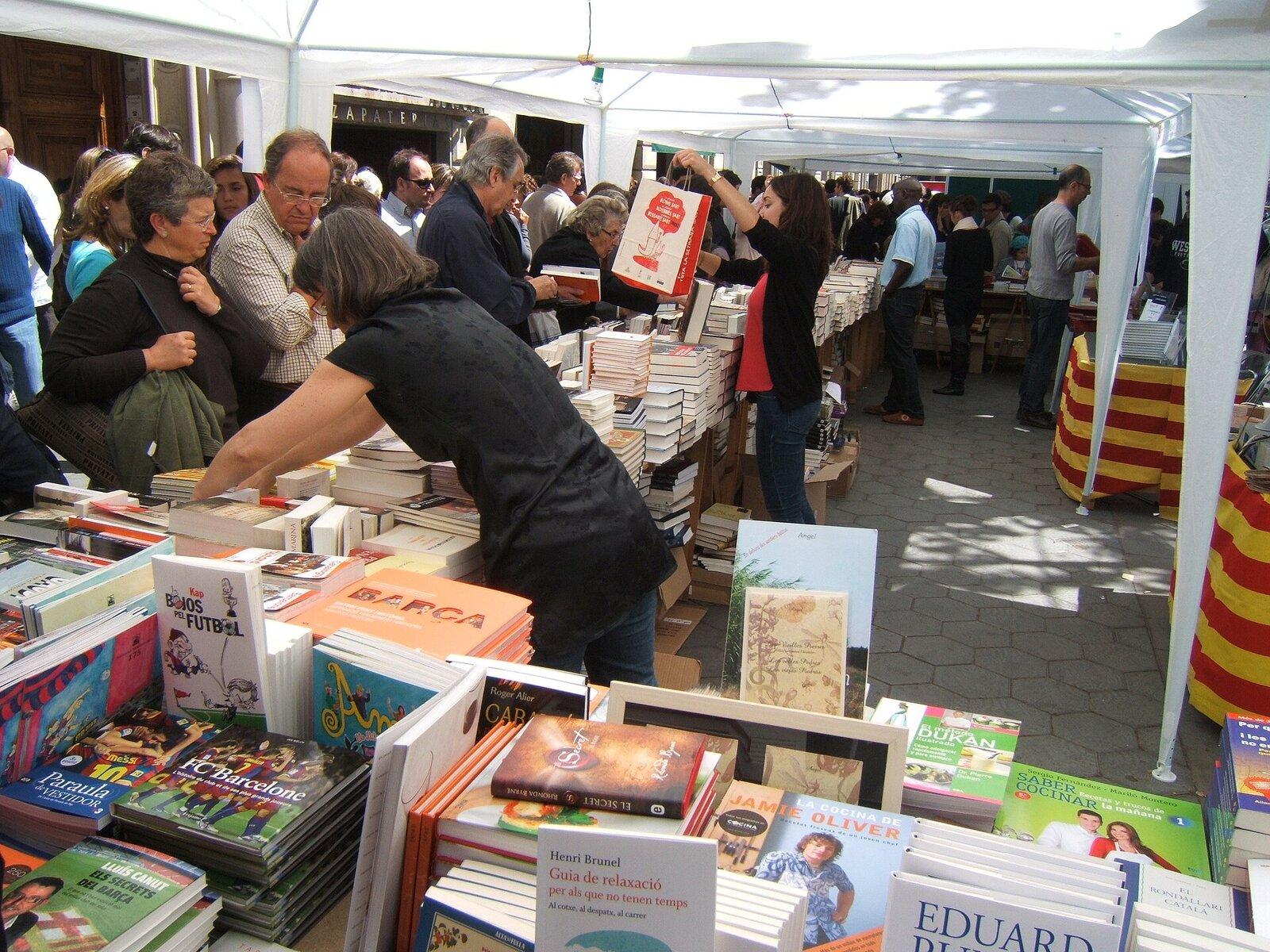
The useful conversation begins with a bookseller, not a famous title photographed online. Ask for translated Catalan fiction, a bilingual children’s book, poetry from the region or a short work suited to your reading level. Not every Catalan book has an English edition, and a specialist may suggest a better introduction than the most visible bestseller.
Books sell at normal retail prices, subject to the rules and promotions published for the event. Use €10–25 as a broad paperback planning range, not a Sant Jordi tariff. Bring a protective bag; a rose stem, crowded street and sudden shower are hard on an uncovered book.
For a signing, verify the author, table and time with the participating bookshop or publisher close to the date. Join the visible end of the queue, have the book open where staff request and keep the dedication brief. A signing schedule can slip because the street itself slows movement. If meeting one author is essential, leave the hour before and after free.
A rose is a choice of stall
Florists are joined by schools, charities, political organizations, sports clubs and neighborhood groups. The rose may therefore support a local activity as well as mark the tradition. Ask the price before choosing and use roughly €6–15 only as a planning allowance; size, presentation and seller vary.
Cards may be accepted widely, but small cash makes a single rose easier at a temporary stall. Carry it upright and do not unwrap every display flower while deciding. Sellers are working through an exceptionally busy day and should not be treated as costume for a photograph.
The exchange is not limited to a strict man-gives-rose, woman-gives-book formula. Partners, friends, relatives, classmates and colleagues give both. Follow the relationship in front of you rather than enforcing a simplified tourism legend.
Share the pavement
Crowd flow is the main practical challenge. Signing queues can form sideways from tables, while metro entrances and shop doors must remain open. Ask where a line ends, move to the side before checking a map and keep large luggage at accommodation or a formal storage facility. Tripods are inappropriate in the central flow.
Families and school groups belong to the day. Give prams and children room, and expect movement to stop suddenly near a performer or familiar writer. Anyone who finds dense crowds difficult should start early, use a district event or visit a neighborhood library and bookshop instead of the central superblock.
Allow at least thirty extra minutes for public transport. Temporary traffic restrictions make a private car a liability near the center. Accessible visitors should check the published pedestrian plan, temporary platforms, toilets and step-free station routes once the current program exists.
Lunch and rain need real plans
Reserve lunch only if the restaurant is part of the day; otherwise eat early or away from the densest streets. A 14:00 booking on the other side of a pedestrian zone can become stressful even when the map distance looks short. Carry water and pause in a square where standing does not obstruct trade.
Rain does not cancel the culture, but it can close vulnerable street stalls or move events. Bookshops, libraries, cultural centers and museums make honest alternatives. Do not crowd beneath a bookseller’s awning while wet stock is being protected. If strong wind or an official safety decision changes the layout, follow the organizer rather than searching for an unofficial stall map.
One book, one rose and one hour of unprogrammed walking are a complete Sant Jordi. The day is memorable because private gifts take place in a public culture of reading and association—not because a visitor reaches the busiest block or collects the longest signature. Recheck the 2027 municipal program, transport changes, author appearances, accessibility and weather close to 23 April.
Related guides
- Rumba Catalana: Barcelona Roots and Where to Hear It
Discover Barcelona’s rumba catalana roots through neighbourhood context, confirmed live programmes, respectful listening and evening logistics.
- Havaneres in Catalonia: Understanding a Cantada
Understand havaneres and the cantada tradition, with advice on finding performances, seating, cremat, audience etiquette and late returns.
- Three Kings in Catalonia: Parade, Gifts and Visitor Etiquette
Watch a Catalan Three Kings cavalcade with context, understand the pages and letters, and keep the public parade separate from private family gifts.
Are you in the know?
Receive new articles, local updates, and occasional offers from selected partners. We never share your email address. Unsubscribe at any time.
By subscribing you agree to our privacy policy.