Tradition
Gegants and Capgrossos: How to Watch a Cercavila
Understand the giants, big-headed figures, music and street etiquette that shape a Catalan cercavila, then find a confirmed event.
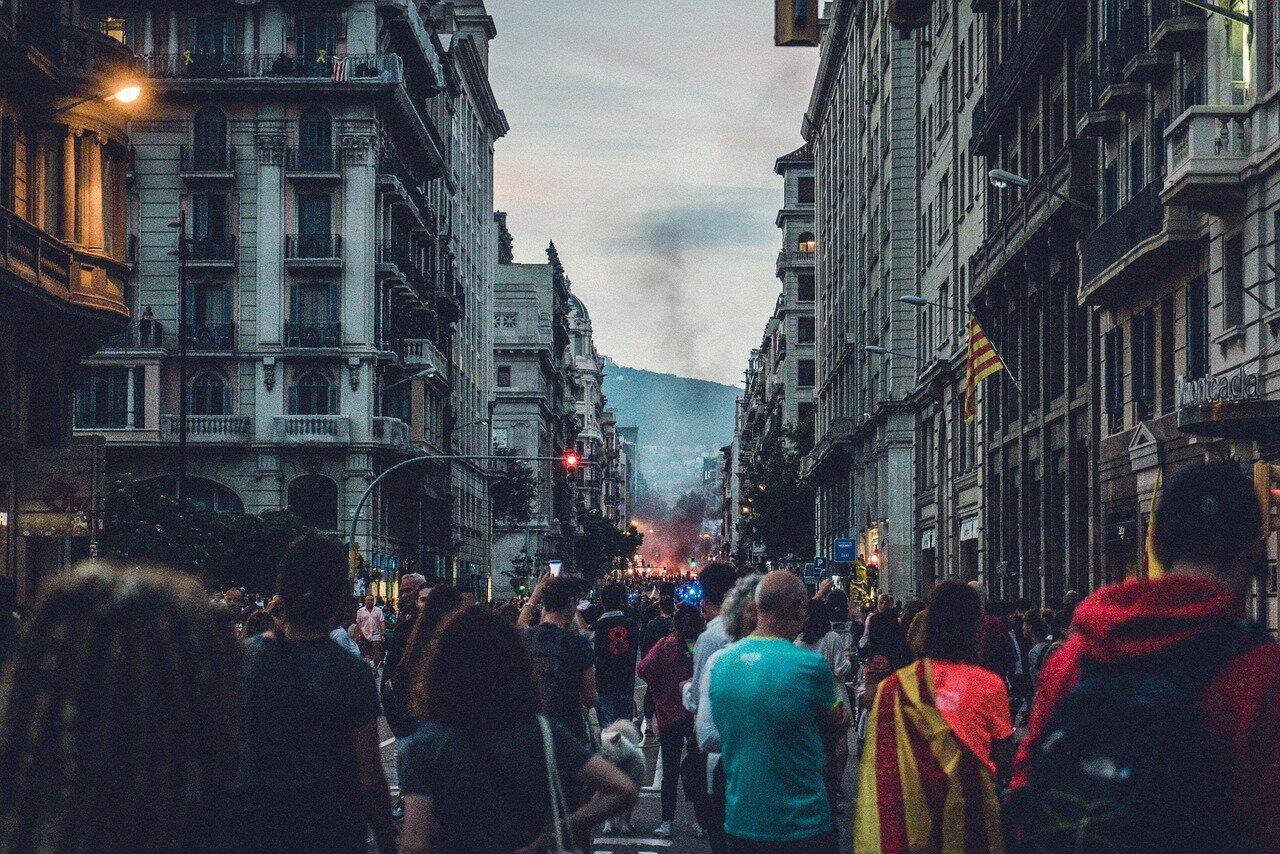
A gegant is not simply a very large carnival puppet, and a capgròs is not a smaller version of the same thing. Both belong to Catalonia’s festival imagery, but they move differently, play different roles and are cared for by local groups whose knowledge is as important as the figures themselves.
Find the event before learning the choreography
Municipal festa major programmes use terms such as cercavila, trobada gegantera, plantada de gegants and ball de gegants. A plantada is the assembly or display where figures can be seen before they move; a cercavila travels through streets; a ball concentrates attention in a square. A trobada brings several groups together and can last much longer than a single local appearance.
The Agrupació de Colles de Geganters de Catalunya coordinates activities connected with giants and capgrossos. Its downloads page carried a 2026 calendar and monthly agendas when checked in August 2026. Use that material to discover possibilities, then confirm the exact year, route, start time and rain decision with the host council.
Street events are usually free. Arrive 20–30 minutes early and allow 45–90 minutes for one procession; a large gathering may occupy most of an afternoon. Ear protection is sensible for young children because gralles and drums are forceful at close range.

A gegant dances from the inside
One carrier supports and steers a giant from inside its frame. Vision is restricted, heat builds, and the load must be controlled while the figure turns to music. Other members of the colla rotate carriers, watch clearances, manage clothing and coordinate with musicians. The apparent ease of a dance rests on visible teamwork.
Figures commonly have names and local identities. Some refer to trades, historical types or stories associated with the town; others have been redesigned or reinterpreted. Do not invent a biography from a crown or costume. A programme, exhibition label or member of the owning colla is a better guide, especially where an older portrayal now prompts debate.
A capgròs places an oversized head over the performer’s shoulders. These figures can be comic, mischievous or ceremonial, and often interact more directly with children. They still restrict sight and need turning space. “Smaller” does not mean safe to crowd.
Leave the dance circle empty
Stand at the pavement edge and keep corners, narrow passages and emergency gaps clear. Never duck beneath a figure, grab its clothing or cross directly in front of a moving carrier. When a giant stops in a square, the open area around it is working space, not a gap for a closer selfie.
Ask before photographing a carrier changing inside the frame. A public wide shot of the procession is different from a close portrait during a physically demanding handover. Keep dogs back from drums and moving costumes, and do not push children into the route for contact with a capgròs.
The same courtesy applies at the end. Wait while the group lowers, stabilizes and covers its figures. Storage rooms and preparation areas are not automatically public because a parade has just finished.
Listen for the people behind the figures
The music controls pace and announces changes that spectators may not otherwise notice. Watch how carriers respond to the melody, how the group protects a tight turn and how visiting figures greet their hosts. Three dances observed with attention reveal more than chasing every participant through a crowded route.
Many colles are volunteer associations rather than entertainment contractors. A brief question after the equipment is secure can open a useful conversation, but nobody owes a performance or explanation. Buying from a festival stall, following recycling arrangements and clearing the route promptly are practical ways to support the event around them.
If rain stops the procession, look for an announced indoor display or postponement. Do not follow the figures into a private hall. The tradition remains public because communities organize it; watching respectfully means accepting when weather, safety or the needs of the carriers close the encounter.
Related guides
- Three Kings in Catalonia: Parade, Gifts and Visitor Etiquette
Watch a Catalan Three Kings cavalcade with context, understand the pages and letters, and keep the public parade separate from private family gifts.
- Your First Catalan Aplec: How to Join Respectfully
Read an aplec programme, reach its rural setting and understand when a meal, dance or religious act is public, reserved or participatory.
- La Patum de Berga: A First Visit to Fire and Crowd
Choose the right Patum session, understand Plaça de Sant Pere’s crowd and fire, and secure a walkable bed or confirmed return.
Are you in the know?
Receive new articles, local updates, and occasional offers from selected partners. We never share your email address. Unsubscribe at any time.
By subscribing you agree to our privacy policy.